Active listings in Selah this summer run from $240,000 to $1.29 million. Somewhere near the middle of that range, at roughly $475,000, two homes can sit within a few blocks of the same MLS search radius and still have almost nothing in common. One might be a 1960s rambler on a flat quarter-acre near 1st Street, walkable to schools and the corner grocery. The other might be a shovel-ready lot or a new build eight minutes from downtown Yakima, perched high enough on a hillside that the seller's photos show Mt. Adams instead of a neighbor's fence line. Same price. Same zip code. Different product entirely.
That gap is not a fluke of one listing versus another. It is the whole Selah market, and it is why the "median price" you saw on a portal last week may already look wrong this week.
The number that keeps changing its story
If you've been watching Selah from outside, you've probably already noticed the market data doesn't agree with itself. In July 2026, one aggregator put Selah's median home price at $475,000, with an average sale price of $487,543 and homes spending about 46 days on market before selling. A month later, in August 2026, a different tracker showed the median listing price at $525,000, down 7% from July and down 6% year over year, with days on market holding at 55. Meanwhile, sale-price data for the three months ending May 2026 showed a median of $476,000, up nearly 15% from the year before, while that same site's separate "average house price" figure, refreshed more recently, put the number at $391,000, down more than 15% year over year. A 30-day snapshot from earlier in the summer showed an average sale price of $577,989 across 18 single-family closings.
None of these numbers are wrong. They're measuring the same town from different angles in different windows, and Selah's mix of homes helps explain the differences. Selah doesn't have one housing market. It has two, stitched together under one name, and depending on which handful of homes happen to close in any given month, the blended average can swing by tens of thousands of dollars without the underlying market actually moving that much.
| Source and window | Figure reported |
|---|---|
| July 2026, aggregate listings | Median home price $475,000; average sale price $487,543; 46 days on market |
| August 2026, active listings | Median listing price $525,000, down 7% month over month |
| 3 months ending May 2026, closed sales | Median sale price $476,000, up 14.8% year over year |
| Most recently updated month | Average house price $391,000, down 15.4% year over year |
| 30-day window, single-family closings | Average sale price $577,989 across 18 sales |
Two Selahs, one zip code
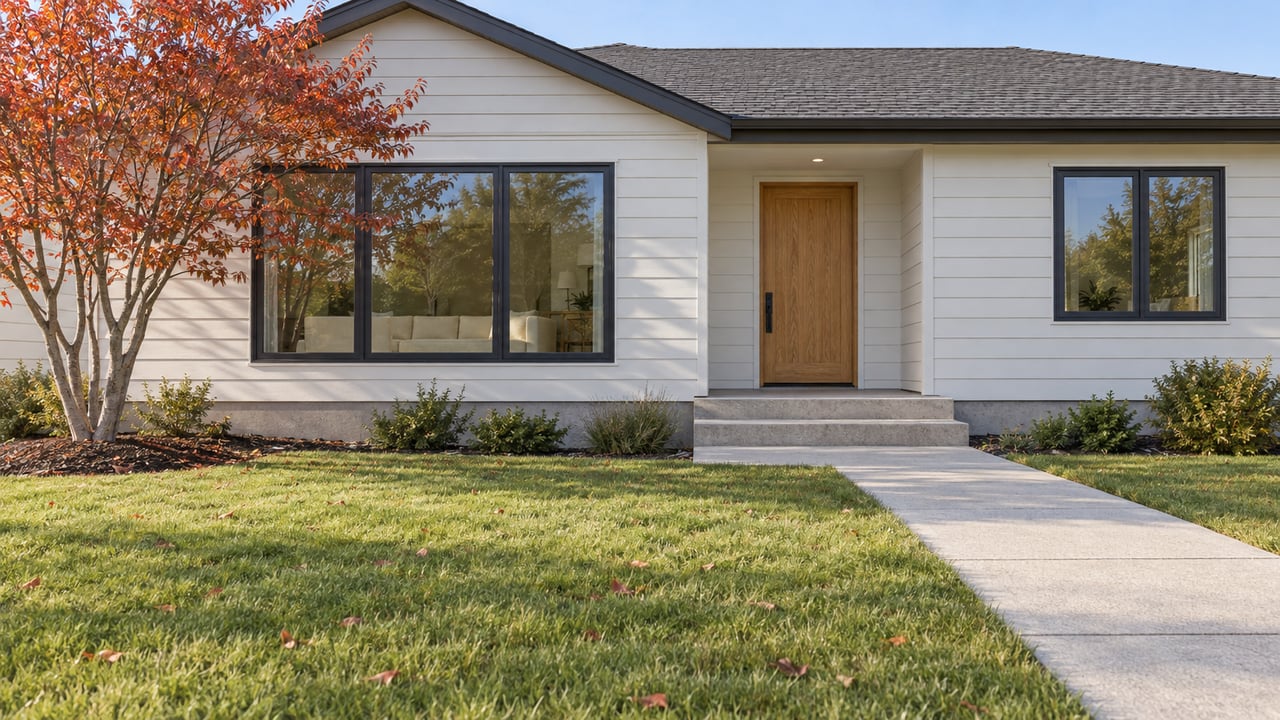
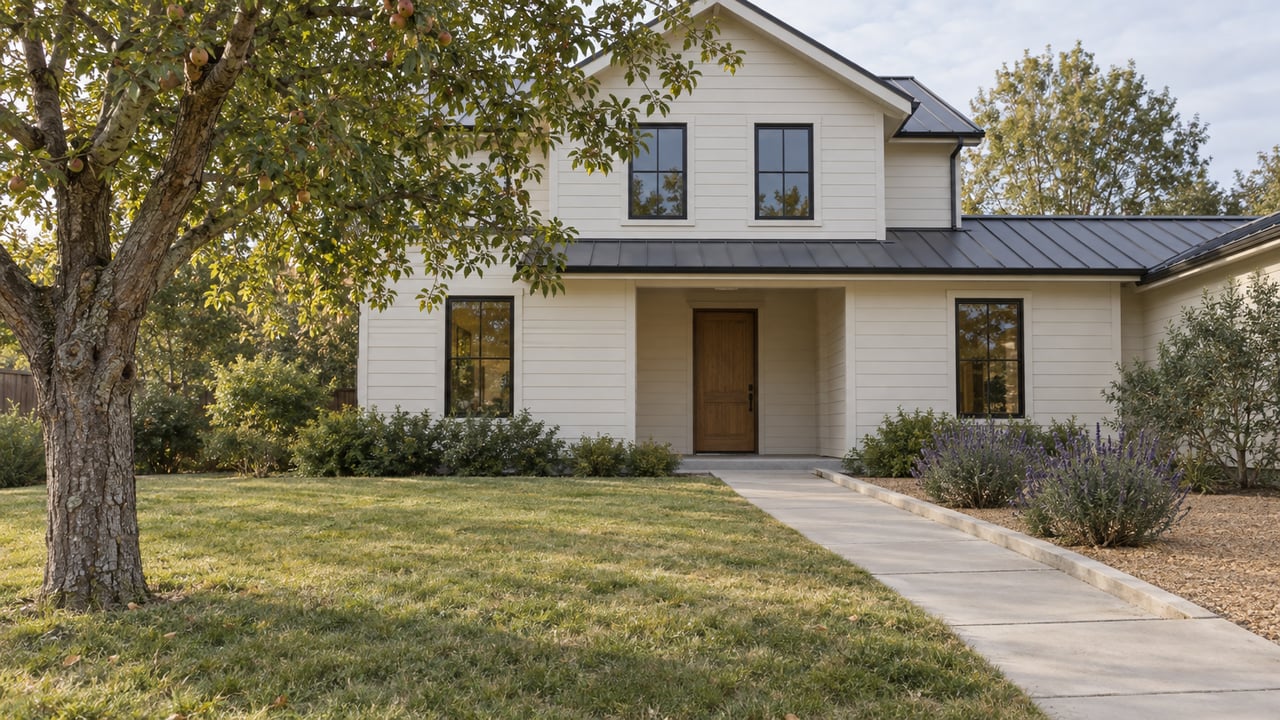
The city itself has been telling this story for a while, if you know where to look. Selah's older housing stock, largely ranch-style and minimal-traditional homes built starting in the post-war years, sits on the flatter ground near downtown and 1st Street. It's generally the least expensive housing in town, and it's what most people picture when they hear "Selah."
But residential growth has been climbing west for the better part of two decades, and that expansion has a name, several names actually. Heritage Hills sits at the summit of its own neighborhood with views over the golf course, the Selah Gap, and Yakima. Valhalla Heights climbs Goodlander Hill for panoramic Mt. Adams views on lots served by underground utilities. Ridgeview Heights occupies similar hillside ground.
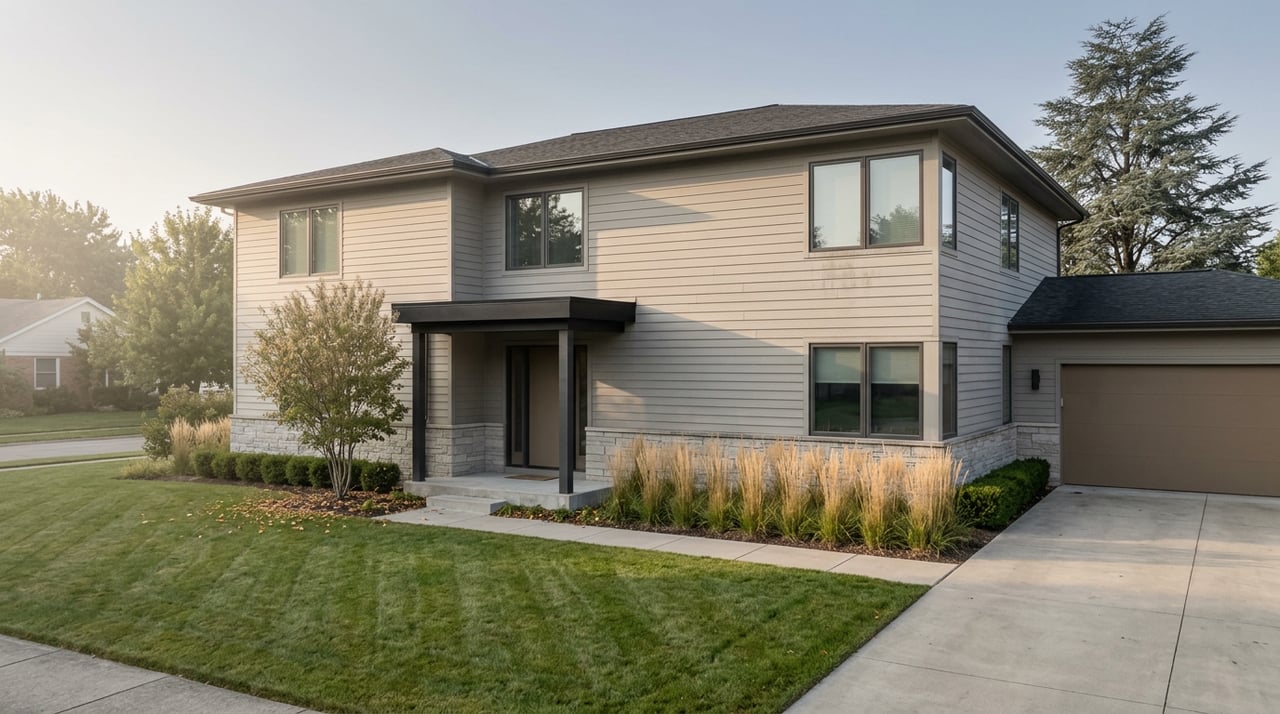
New construction across Selah's active communities currently prices between roughly $380,000 and $540,000 for homes between about 1,150 and 3,200 square feet, a band that sits well above what the older flatland stock typically commands. That's not a coincidence of timing. It's a second market layered on top of the first, and it's the reason the town's median moves around so much depending on whether a hillside spec home or a downtown resale happens to close in a given month.
What the hillside premium actually buys
Elevation and a view are part of the price difference, but not all of it. Some hillside homes carry Department of Energy Zero Energy Ready Home certification and EPA Indoor Air Plus certification, and HOA dues on some models cover landscape maintenance and snow removal, meaning the premium buys ongoing service as much as it buys square footage. Some hillside communities receive irrigation water through the Naches-Selah Irrigation District rather than through a private arrangement.
Utility service is where buyers most often get surprised, because it doesn't follow a clean east-west line. Heritage Hills lots come with full city water, sewer, and natural gas already at the property. Other hillside parcels, including some in Selah Heights and similar areas, still rely on a community well and privately arranged power, even at price points well above the flatland median. The hillside doesn't uniformly mean city service any more than the flats uniformly mean older construction. Each subdivision has its own utility story, and it's worth confirming before you fall in love with a view.
The city is currently updating its comprehensive plan under Washington's Growth Management Act, the process that will shape how much more of the west hills gets opened up for exactly this kind of development in the years ahead. That's worth watching if you're comparing Selah to a neighboring town on a multi-year horizon, since it will influence how much new hillside inventory shows up to compete with what's already built.
Why the days-on-market numbers can't agree either
The same segmentation explains the days-on-market confusion. Flatland resale homes in Selah tend to move fast when priced right, drawing multiple offers and closing in a couple of weeks, which is what pushes one tracker's competitive score into "very competitive" territory. Custom hillside builds and new-construction spec homes are a different animal. They're priced higher, harder to comp against anything else on the market, and often waiting for a specific kind of buyer rather than the first one through the door. Blend fast-moving starter resales with slow-moving custom hillside inventory in the same 30 or 90-day window, and you get whatever mix happened to transact, not a stable read on either market.
What this means if you're comparing Selah to somewhere else
If you're cross-shopping Selah against another Yakima County town using a median price you saw on a portal, you're really comparing an average of two markets against whatever that other town's mix happens to be. The more useful question isn't "what's Selah's median," it's "which Selah am I actually looking at." Ask whether the listing sits on the flatter, older grid or in one of the named hillside subdivisions. Ask what utility service is actually run to the lot, not just what the neighborhood is known for. Ask whether an HOA governs the property and what it covers, since that changes the real monthly cost even when the sale price looks similar to a home without one.
A few questions worth asking before you write an offer
Does the west side of Selah always cost more than the east side? Generally yes for view-lot subdivisions like Heritage Hills, Valhalla Heights, and Selah Vista, but the comparison only holds when you're comparing similar square footage and construction era. A remodeled flatland home can still outprice a raw hillside lot.
Do hillside Selah homes have city water and sewer? Not consistently. Some, like Heritage Hills, are fully served by city water, sewer, and gas. Others rely on a community well and irrigation district water. Confirm utility service for the specific parcel rather than assuming based on the neighborhood's reputation.
Why did the reported median price change so much between one month and the next? Because Selah's median is really a blend of two different housing markets. Whichever mix of flatland resales and hillside new construction happens to close in a given window shifts the median, sometimes by tens of thousands of dollars, without the underlying market moving that much at all.
If you're weighing a move to Selah, or comparing it against another Yakima County community, the number on a portal is a starting point at best. Understanding which Selah a given listing belongs to, and what that means for utilities, HOA obligations, and realistic resale timing, is the kind of detail that only shows up when someone is actually working the local inventory. Cory Bemis has represented listings in Selah's newer hillside communities directly, including lots in Selah Vista, and can walk you through which side of town actually fits what you're trying to buy or sell. Get a Free Home Valuation to see where your Selah property or search fits into this picture.
This article is general information, not legal, tax or financial advice. Consult a qualified professional about your situation.