Wondering what really happens after you decide to sell your home in Yakima? The answer is more than putting a sign in the yard and waiting for offers. If you want a smooth sale, it helps to know the timeline, paperwork, and market conditions before your listing goes live. This guide walks you through what to expect so you can feel prepared from day one. Let’s dive in.
Yakima market expectations
If you are listing a home in Yakima, it helps to start with the current pace of the market. In May 2026, market trackers showed median sale prices in the mid-$300,000s to low-$400,000s, with sale-to-list ratios around 99.8% to 100%. Median days on market were reported between 37 and 41 days, while Zillow showed a median of 20 days to pending.
Those numbers are best read as a range, not one exact market figure. Different platforms measure different things, so the big takeaway is that pricing and launch strategy matter. Some Yakima homes receive multiple offers, and hotter listings can go pending in about 7 days.
You should also expect variation by area and property type. Neighborhood-level values are not uniform across Yakima, with reported value differences between areas like Terrace Heights and Summitview. That means your pricing strategy should reflect your home’s specific location, condition, and competition.
Start with a listing plan
One of the first steps is choosing your agent and signing a listing agreement. That agreement authorizes the agent to represent and market your property, sets out the sale price strategy, and explains the services and compensation involved. Compensation is negotiable, and the agreement should make clear what support you will receive.
This is also the time to talk through your goals. You may care most about timing, net proceeds, convenience, or a balance of all three. A clear plan upfront helps shape pricing, prep work, showings, and negotiation choices later.
For many sellers, this early stage brings the most clarity. You move from a general idea of selling to a specific launch plan with realistic expectations. That can make the rest of the process feel much more manageable.
Prepare your home before launch
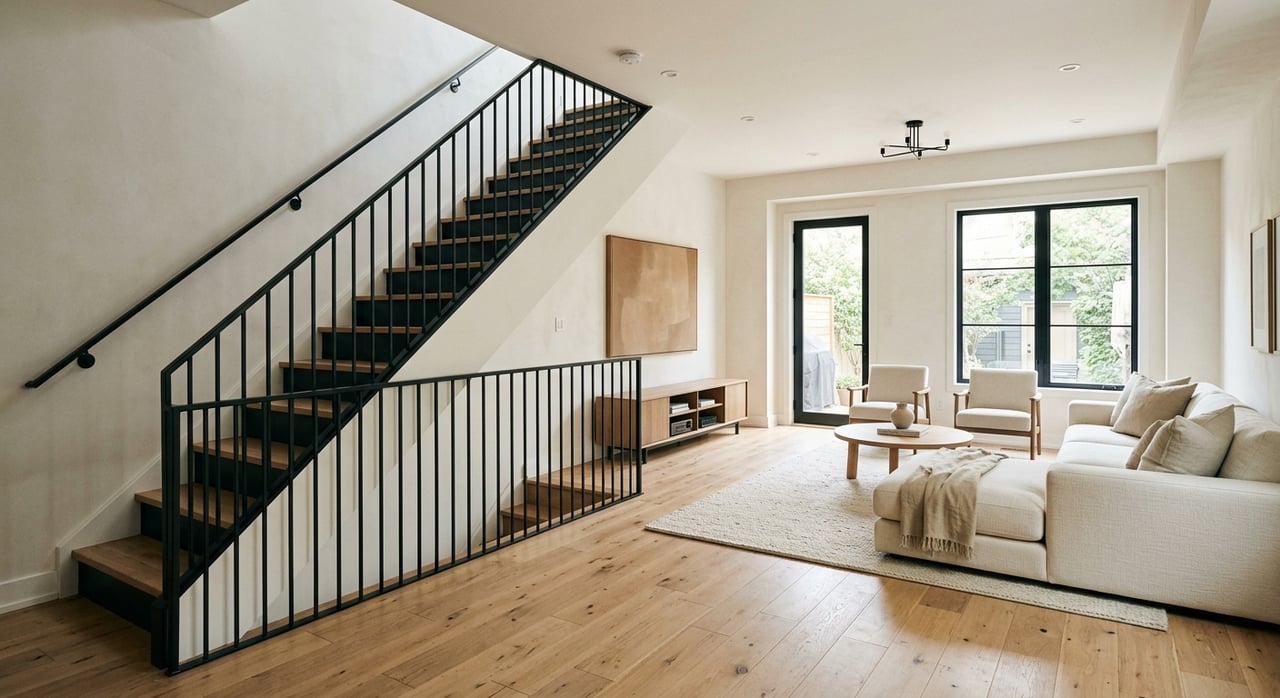
A strong listing often starts before the home is photographed. Cleaning, decluttering, and removing overly personal items can help your space show better in both photos and in-person visits. The goal is to create a clean, neutral setting where buyers can focus on the home itself.
Staging does not have to mean a full redesign. In many cases, it means arranging rooms well, simplifying decor, and making sure each space feels open and functional. Even small improvements in presentation can make your launch feel more polished.
Professional photography is often part of a solid marketing plan. Since many buyers first see homes online, your listing photos play a major role in shaping interest. If your home looks ready from the start, you are better positioned to attract strong early attention.
Expect paperwork early
Selling a home in Washington comes with important disclosure requirements. For improved residential property, the seller generally must provide a completed disclosure statement under RCW 64.06 within five business days after mutual acceptance, unless the parties agree otherwise. The form is based on your actual knowledge of the property.
If something changes before closing and your disclosure becomes inaccurate, you may need to amend it. When that happens, the buyer may have a short rescission window after receiving the amendment. This is one reason it helps to gather property information early rather than scrambling once you are under contract.
If your home was built before 1978, federal lead-based paint disclosure rules also apply. Sellers and agents must provide the required lead information, disclose known records, include the warning statement, and give buyers a 10-day opportunity to inspect for lead-based paint unless the parties agree otherwise.
If your property uses a septic system, Yakima County Health District may also come into play. The county says a septic review may be needed for a home sale or financing. When records are complete, the first office review can be done within one business day, but missing or incomplete records can slow the process and require more follow-up.
Launch your listing strategically
Once your home is ready, the listing goes live and marketing begins. MLS exposure usually provides the broadest reach to buyers, and a marketing plan may also include photography, signage, social media, open houses, and pricing strategy. In a market like Yakima, the first few days on the market can set the tone for the entire listing.
That is why launch quality matters so much. If your pricing is realistic and your presentation is strong, you may create more urgency right away. If a listing starts too high or looks unprepared, it can lose momentum that is harder to rebuild later.
You should also know that industry rules have changed. Offers of compensation can no longer be listed on MLSs, but sellers can still discuss concessions and other contract terms that may help attract buyers. Your listing strategy should reflect the current rules while keeping your broader goals in focus.
Be ready for showings
Once your home is active, expect showings to be appointment-based in most cases. Buyers may want to tour with little notice, especially if your home is newly listed or priced well. Keeping the property clean and show-ready can make a real difference during this stage.
Open houses are a little different. They allow multiple buyers to tour at the same time, and holding one during the first weekend after launch can help maximize exposure. Whether you choose showings, open houses, or both, flexibility often helps generate more interest.
This part of the process can feel disruptive. You may need to tidy surfaces quickly, limit personal items in view, and leave during appointments. It is not always convenient, but the more accessible your home is, the easier it is for buyers to picture themselves there.
Review offers carefully
When offers come in, price is only one part of the equation. You also need to look at contingencies, financing terms, earnest money, concessions, and the proposed closing timeline. The highest offer is not always the strongest one.
In Yakima, where some homes receive multiple offers, comparing the full package matters. One buyer may offer more money but ask for more concessions or include terms that create more uncertainty. Another may come in slightly lower but offer a smoother path to closing.
It is also important to think carefully before accepting. Once a purchase agreement is signed, it can be difficult for a seller to back out unless the buyer fails to meet a contingency or deadline. That makes offer review one of the most important decision points in your sale.
Plan for inspections and negotiations
Buyer inspections are common, even though they are not required. A home inspection usually lasts about 2 to 3 hours and reviews the home’s structure and systems. After the inspection, the buyer may ask for repairs, credits, or an as-is agreement.
This is a normal part of many transactions. An inspection does not automatically mean the deal is in trouble. It usually means the parties need to decide which issues matter, what is reasonable, and how to keep the transaction moving.
Some sellers choose a pre-listing inspection before going live. That can help you identify issues earlier and make more informed decisions about repairs or pricing. In a competitive situation, some buyers may waive inspections, but you should not assume that will happen.
Understand escrow and title
After mutual acceptance, the transaction moves into escrow. In Washington, escrow is a neutral process that follows the written instructions in the contract, holds funds until conditions are met, and prepares the closing statement. Escrow officers do not negotiate the deal or provide legal advice.
You should expect communication from escrow and title during this period. Prompt responses help keep everything on schedule, especially when signatures, payoff details, or clarifications are needed. Delays often happen when paperwork sits too long.
Title insurance is another key part of closing. The Washington Office of the Insurance Commissioner says title insurance helps protect against ownership claims, liens, fraud, and document errors. It is paid once at closing, buyers can choose the title company, and owner’s title insurance is commonly paid by sellers.
Know your closing costs
Your closing statement will itemize charges, credits, payoffs, and your net proceeds. This is where you see the financial details of the sale come together. Reviewing those numbers carefully helps avoid surprises near closing day.
One major seller-side cost in Washington is real estate excise tax, often called REET. The Washington Department of Revenue says this tax generally applies to real property sales unless an exemption applies, and it is usually paid by the seller. If it is not paid, it can create a lien.
Escrow fees are another item to expect, and those fees are not regulated by the state. Depending on your transaction, other costs may include title-related charges, payoff amounts, negotiated credits, and agreed-upon contract expenses.
A smoother sale starts early
The listing process in Yakima tends to go more smoothly when you prepare early. That means getting your pricing strategy, home prep, disclosures, showing plan, and closing checklist organized before the listing goes live. A strong start gives you more control and fewer last-minute surprises.
For sellers in Yakima, that early planning matters because the market can reward homes that are launched well. With some properties moving quickly and others taking longer, the difference often comes down to preparation, presentation, and decision-making. If you know what to expect, you can move forward with a lot more confidence.
If you are thinking about selling and want a clear plan tailored to your home, neighborhood, and timing, connect with Cory Bemis. You will get straightforward guidance, professional marketing insight, and a local strategy built for Yakima.
FAQs
What should you expect before listing a home in Yakima?
- You should expect to choose a listing agent, sign a listing agreement, prepare the home for photos and showings, and organize key property paperwork before the listing goes live.
How fast do homes sell in Yakima?
- As of May 2026, market trackers reported median days on market around 37 to 41 days, while Zillow reported a median of 20 days to pending. Some homes also receive multiple offers and can move faster.
What disclosures are required when selling a home in Washington?
- For improved residential property, sellers generally must provide a completed disclosure statement under RCW 64.06 within five business days after mutual acceptance unless the parties agree otherwise.
What happens if your Yakima-area home has a septic system?
- A septic records review may be needed for a sale or financing, and if county records are complete, Yakima County says the first office review can often be completed within one business day.
What should you compare when reviewing offers on a Yakima home?
- You should compare price, contingencies, financing, earnest money, concessions, and closing timeline because the strongest offer is not always the highest-priced one.
What closing costs should sellers expect in Washington?
- Sellers commonly need to account for real estate excise tax, possible owner’s title insurance costs, escrow-related charges, mortgage payoffs, and any credits or contract expenses shown on the closing statement.