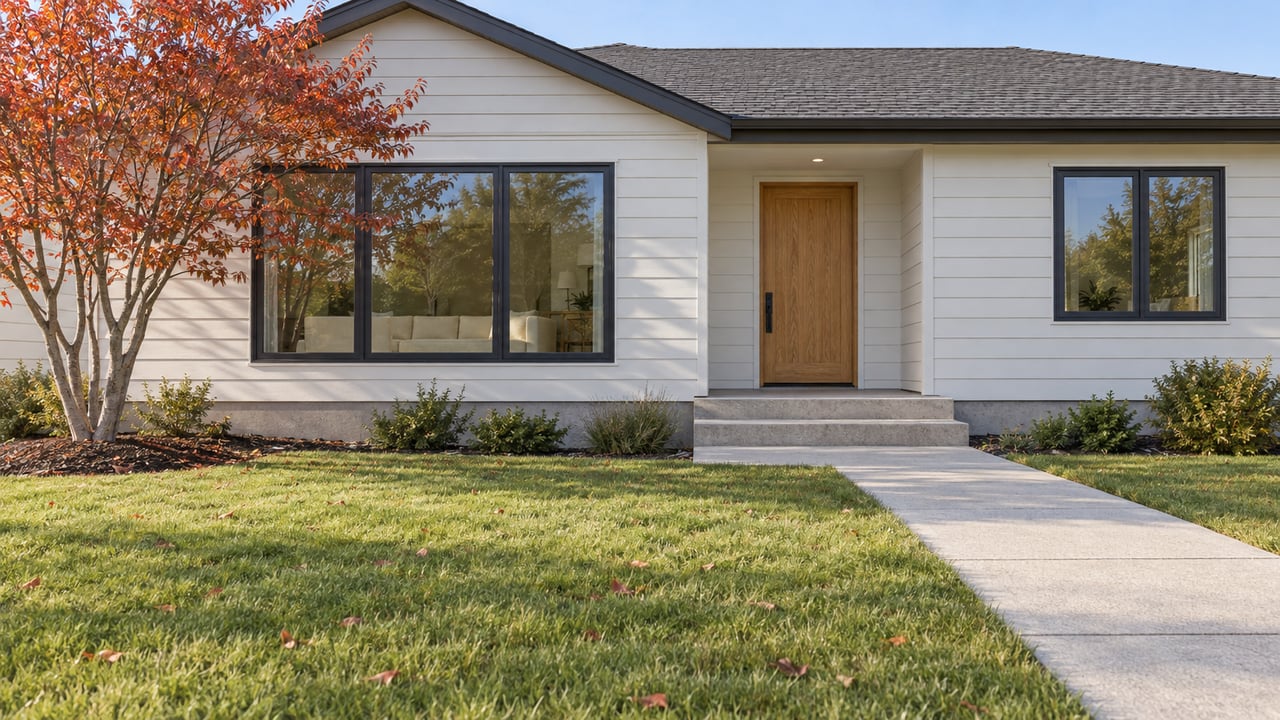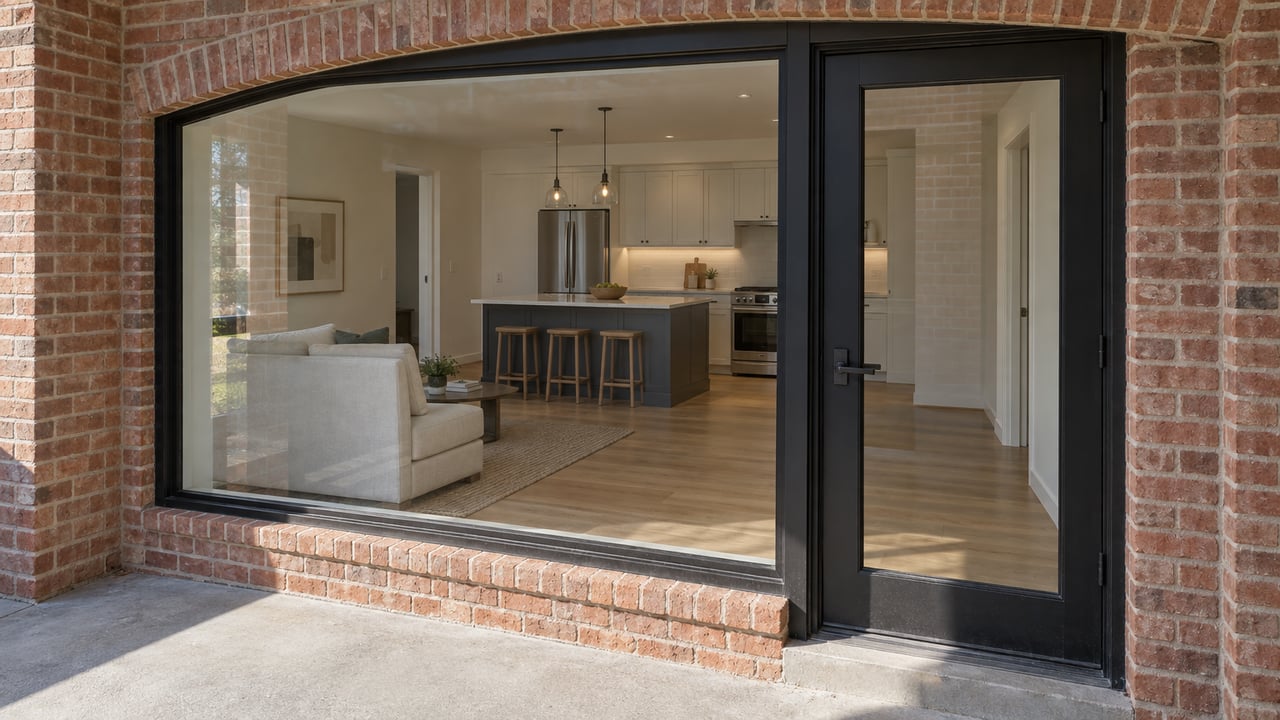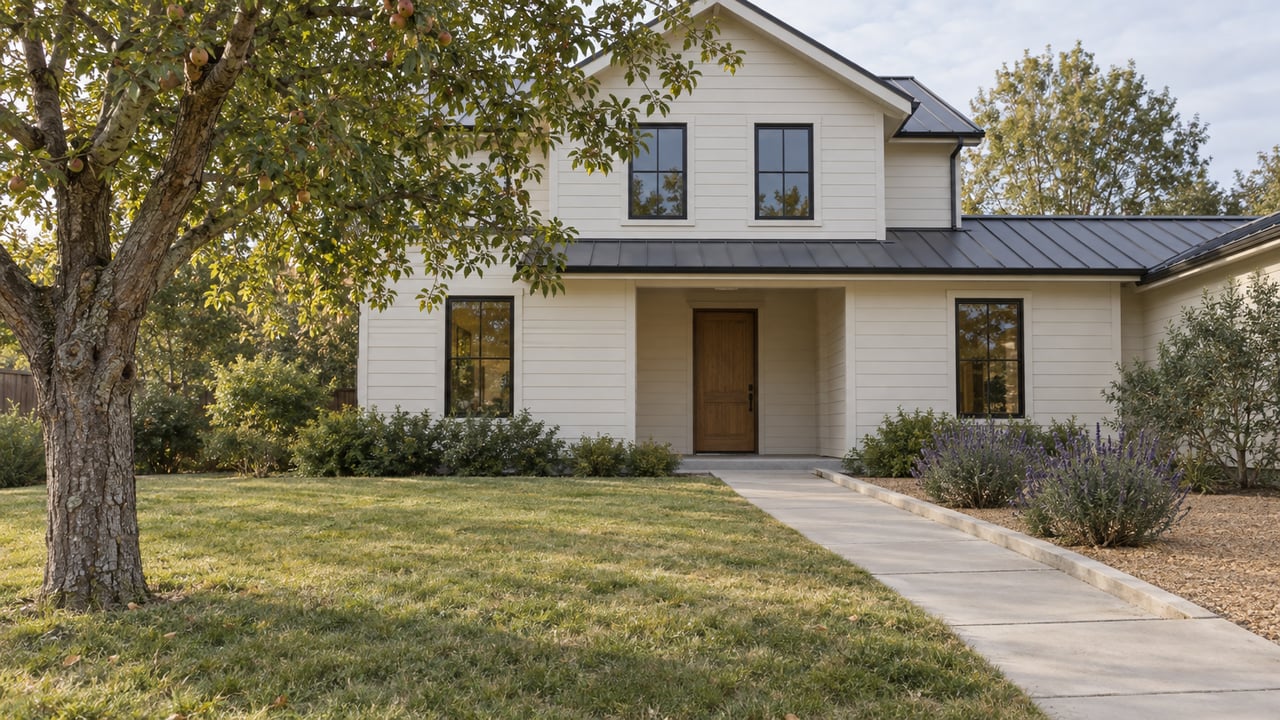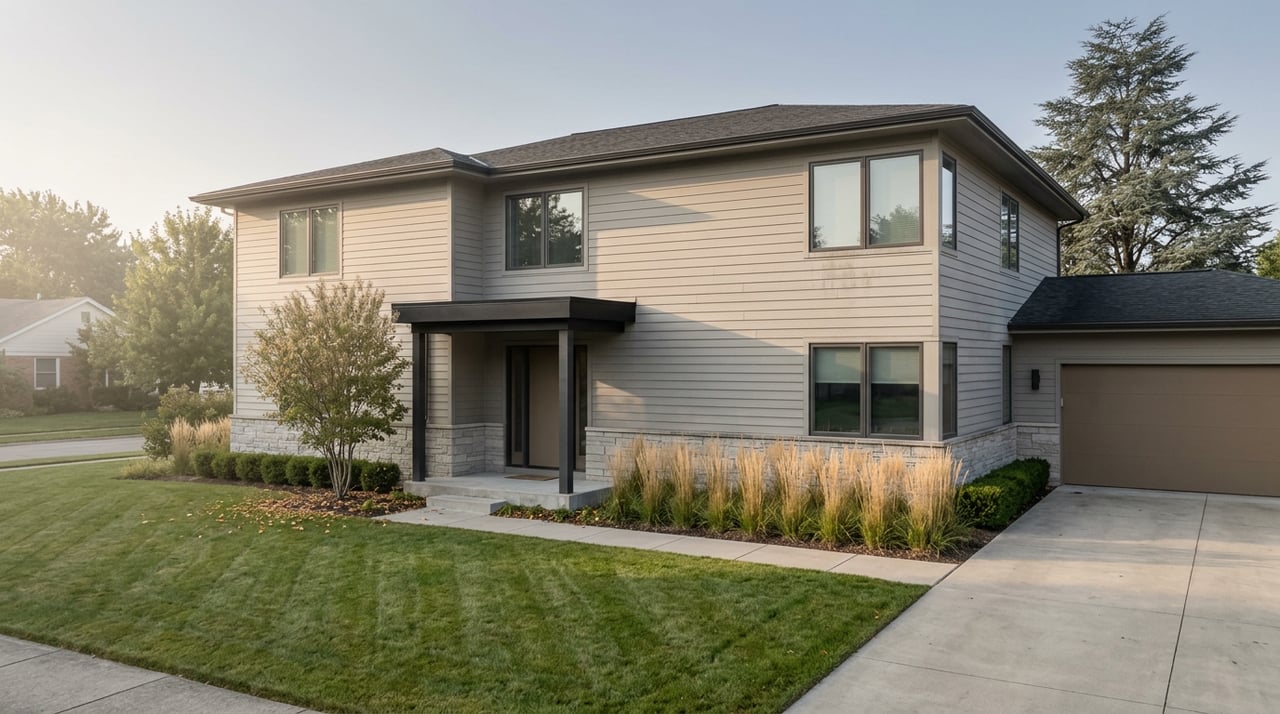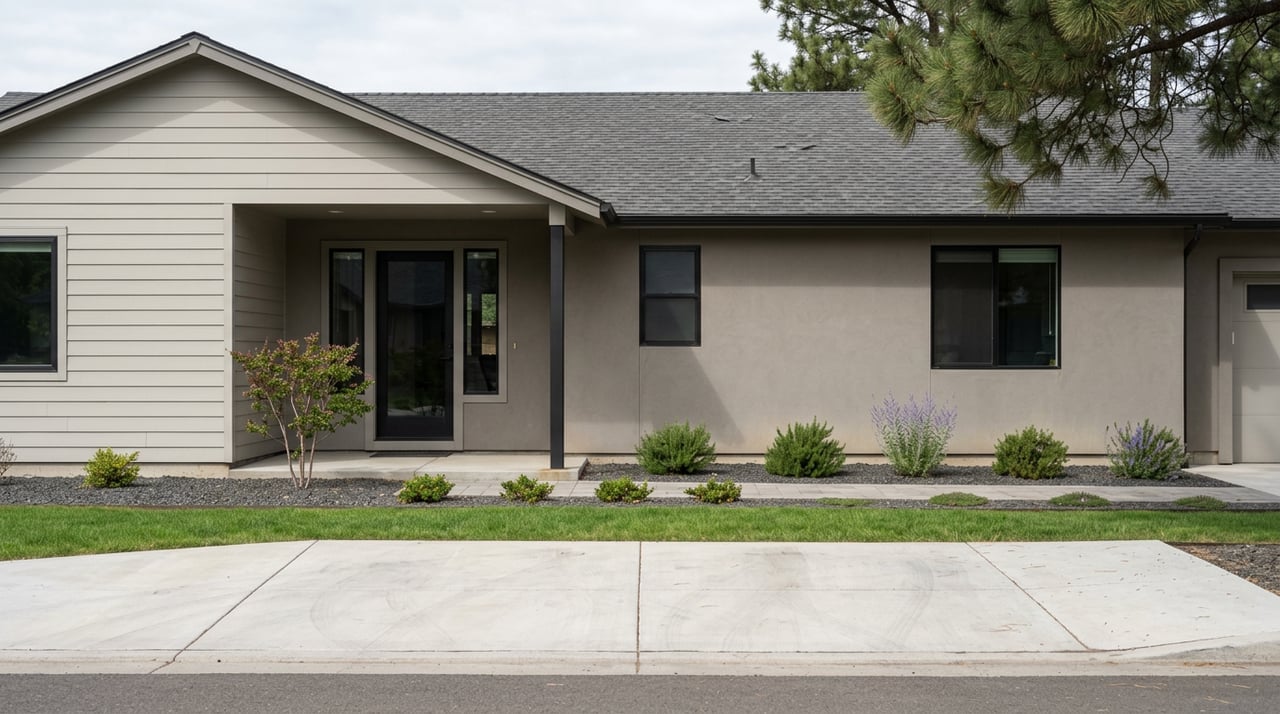
Picture two listings that hit the West Valley market the same week. Same price range, same square footage, same general stretch of Summitview corridor. One closes on schedule, thirty days, no drama. The other stalls, gets extended twice, and nearly falls apart in week five. The difference had nothing to do with inspection, financing, or the sellers' motivation. It came down to where each parcel's water comes from, and whether anyone checked before the offer was written.
That is the question most West Valley buyers never think to ask, and it deserves more attention than "is the well working." In parts of West Valley, water is a simple utility hookup. In other parts, it is a legal question about water availability, and the answer can add real weeks to your timeline.
The line nobody puts on a map
A large share of West Valley sits inside the service area of Nob Hill Water Association, a mutual water utility formed in 1908 that now serves roughly 32,000 people across Ahtanum, Summitview, and parts of Yakima. Nob Hill operates six wells, five reservoirs, and more than 105 miles of distribution piping, and it maintains two interties with the City of Yakima that back up its supply in an emergency, according to the county's Nob Hill wellhead protection plan. If a parcel sits inside that boundary, buying the house means calling Nob Hill, confirming the account, and moving on with the rest of your closing checklist. It works the way water service works almost everywhere.
Step outside that boundary, and things change. West Valley's outer edges, the parcels that back up to open ground, orchard fringe, or the foothills west of the Ahtanum and Summitview corridors, are more likely to rely on a private well rather than a piped utility connection. That is where the second, much less familiar system comes into play.
What happens once you're off the utility grid
The Yakima River Basin was fully adjudicated years ago, and the ruling recognizes that existing water rights already exceed the water physically available in the basin. Every gallon pulled from a new well reduces what is left for senior water right holders further down the priority list, a system Washington calls "first in time, first in right." That is not a historical footnote. It is the reason Yakima County created the Yakima County Water Resource System, or YCWRS, and why the county has required proof of legal water availability on every building permit application since January 1, 2018.
If a property draws from a permit-exempt well rather than an approved purveyor, the seller or buyer needs to show the county proof of legal water availability.
Here is what that actually costs, according to the county's own YCWRS FAQ:
- $650 for the initial domestic well permit application, due at the time you apply
- About $500 for meter installation on the well itself, not counting labor
- $140 per year in ready-to-serve charges, on top of metered consumption
None of those numbers is large on its own. What adds time is the sequence. A buyer or seller has to confirm the well meets YCWRS depth standards, get the well constructed or verified, obtain an Adequate Water Determination from the Yakima Health District confirming the water is both potable and sufficient for the intended use, and only then schedule meter installation. Each step depends on the one before it, and none of them happen on a lender's clock.
The catch that hits ADU buyers specifically
If you are eyeing a West Valley property with an accessory dwelling unit, or planning to add one, ask about the well setup before you get attached to the floor plan. A well that serves two connections, such as a main house and an ADU, or two homes on separate parcels, is classified as a shared well under county rules and requires separate approval from the Yakima Health District. Shared wells also carry a 100-foot well control zone, which limits what can be built near the wellhead. It is a detail buyers rarely ask about during a showing, and one that can quietly reshape a renovation plan after closing.
Water is a market now, not just a permit
The mitigation system behind YCWRS is not static. Yakima County has spent recent years working toward its own countywide water bank so that more senior water rights are available for future rural development, and as of late 2025 the county was still waiting on Department of Ecology approval for that bank, according to reporting in the Yakima Herald-Republic. Elsewhere in the valley, the pricing of mitigation water is already visible in real dollars. The Selah-Moxee Irrigation District, a separate district serving Selah and Moxee, has been leasing drought mitigation water for $350 per acre-foot through its 2026 Emergency Drought Well Relief Program, per the district's own posting.
That number does not apply directly to West Valley parcels under Nob Hill or YCWRS. What it shows is that water rights in this basin now carry an active market price, not just a bureaucratic form to file. As more of the valley's buildable land depends on mitigation rather than untouched groundwater, expect the paperwork and the price tag attached to it to keep showing up earlier in transactions, not later.
What this means before you write an offer
If you are buying in West Valley, ask your agent two questions before you get to inspection contingencies: who is the water purveyor for this specific parcel, and if it is a well, is there an existing Adequate Water Determination and YCWRS permit already on file. A seller who already holds that paperwork can hand it over in days. A seller who has never had to think about it may need to start the process from scratch, and that is the scenario that turns a 30-day close into something longer.
If you are selling a well-served property in West Valley, pull your YCWRS documentation and your most recent water quality test before you list, not after you get an offer. Buyers and their lenders are asking about water source earlier than they used to, and having the file ready removes one more reason for a buyer to walk during their contingency period.
Homes across the broader Yakima market were still moving at a reasonable pace as of August 2026, with a typical listing spending a median of 65 days on market. That pace rewards sellers who remove friction before it appears and buyers who know which question to ask before falling in love with a listing photo.
A few questions worth asking directly
Does every West Valley home have this issue? No. Homes inside Nob Hill Water Association's service area connect the same way city water connections work anywhere else. This only applies to properties relying on a private, permit-exempt well.
How long does the YCWRS process realistically take? The county has not published a fixed timeline, and it depends on well construction, health district scheduling, and meter installation availability. Because the steps run in sequence rather than parallel, it is safer to build extra weeks into a closing timeline than to assume it moves as fast as a standard utility transfer.
What if the seller already has a well but never registered it with YCWRS? It is worth confirming the well's status even if the home has been occupied for years.
Water source is not the kind of detail that shows up in a listing description, and it will not stop a home from being a good fit for your family or your next rental property. It will determine how smoothly you get there. Working with someone who checks this before you write the offer, not after the inspection period starts, is the difference between a clean thirty-day close and a summer spent waiting on a county form.
If you are considering a purchase or sale in West Valley and want a clear read on a specific parcel's water situation before you commit, reach out to the Cory Bemis team. Request a Free Home Valuation and we will walk through what your property, or the one you're eyeing, actually requires before closing day.
This article is general information, not legal, tax or financial advice. Consult a qualified professional about your situation.