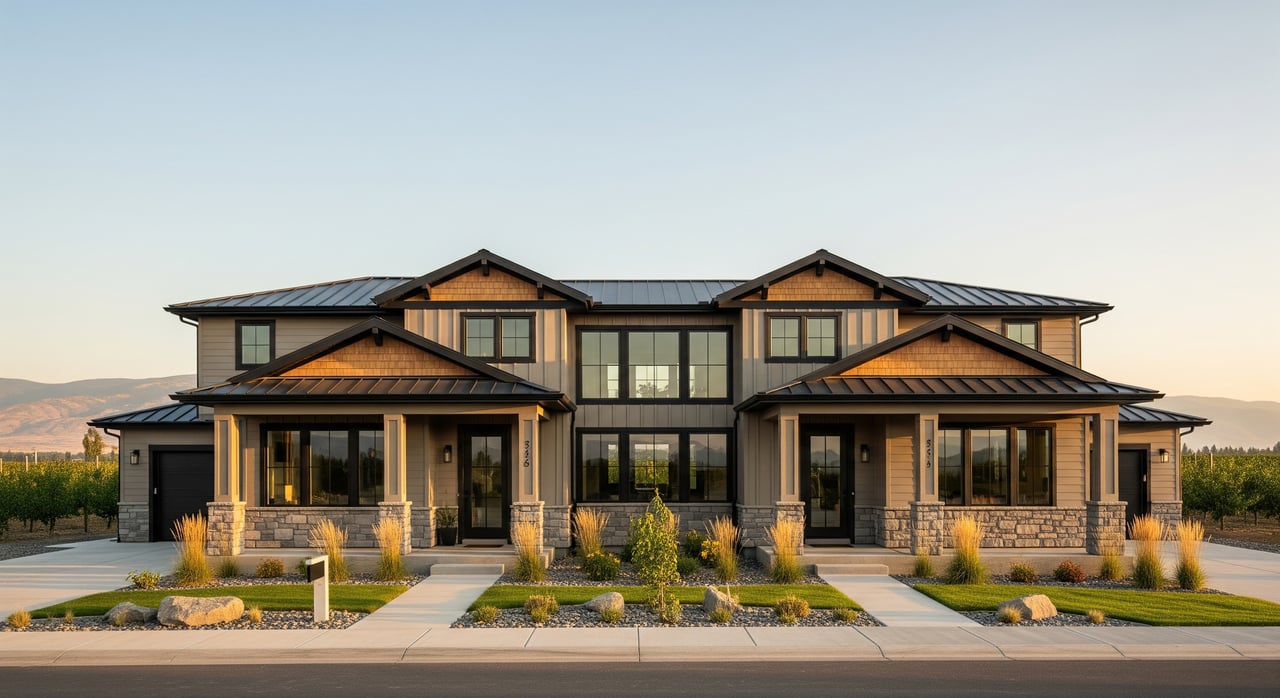
Thinking about buying a duplex in West Valley and wondering how to tell if it will cash flow? You want clear steps, realistic numbers, and local context so you can make a confident offer. In this guide, you’ll learn how to estimate rents, set a vacancy rate, build an expense budget, and calculate cap rate and returns, all with Yakima-specific checks. You’ll also see when it makes sense to bring in a local expert for comps and deal strategy. Let’s dive in.
West Valley context: what matters most
West Valley sits within the Yakima area, so many data points you’ll find are city or county level. Start by confirming whether the property is inside the City of Yakima or in unincorporated Yakima County, because that can affect permits, inspections, and fee schedules. Note the parcel ID, zoning, utilities, and nearby employment corridors since these factors influence renter demand and turnover.
You should also confirm property tax history and any recent sales activity on the parcel and nearby duplexes. For official records, use the Yakima County Assessor for parcel details and values and the County Treasurer for tax bills and due dates.
- Check parcel and assessment details on the Yakima County Assessor.
- Review past tax bills on the Yakima County Treasurer.
Step 1: Verify property basics
Before you touch the numbers, collect the facts. Record the address, parcel ID, year built, unit mix, square footage, lot size, parking, utilities, and any updates. Confirm the school district and proximity to major roads and job centers using a map and local resources.
If the seller provides a rent roll, leases, or utility bills, gather them now. These will help you compare in-place income to market rents and pinpoint whether tenants or the owner pay specific utilities.
Step 2: Estimate realistic rents
You want a rent number you can defend. Use multiple sources and be conservative where the data is thin.
Use nearby rent comps
Pull 3 to 6 active or recently leased comps with similar bed/bath count, size, and condition. Focus on West Valley or the closest possible subarea. Adjust for utilities included, updates, parking, and pet policies. Convert to per-bedroom or per-square-foot if you need a cleaner comparison.
Validate with HUD FMR and trends
Use the HUD Fair Market Rent lookup tool for the Yakima metro to sanity-check your comps. It is not a perfect predictor for every unit, but it gives a baseline to compare against your findings. If your comp set is far above or below FMR, re-check unit condition, location, and included utilities.
Set a vacancy allowance
Vacancy is part of real-life cash flow. In Yakima, a common underwriting range is 5 to 8 percent for a stable duplex, and higher if you expect more turnover or softer demand. You can review local vacancy trends using the U.S. Census American Community Survey and what you see in current listings.
Step 3: Build income and expenses
With rents and vacancy set, you can create a simple but reliable pro forma.
Calculate GSI and EGI
- Gross Scheduled Income (GSI): Sum of monthly market rents for both units times 12.
- Vacancy allowance: GSI multiplied by your vacancy rate.
- Effective Gross Income (EGI): GSI minus vacancy, plus other income such as laundry, parking, or pet fees.
If the current leases are strong and above-market, run a second version using the in-place rent roll so you can compare upside and downside.
Typical operating expenses
Build an annual expense schedule. Categories to include:
- Property taxes (from the Yakima County Treasurer)
- Insurance (landlord policy and liability)
- Owner-paid utilities (water, sewer, trash, and any gas/electric included)
- Repairs and maintenance
- Management (plan 6 to 10 percent of EGI if you hire a manager)
- Landscaping and snow removal
- Advertising and turnover costs
- Legal, accounting, and any licenses or inspection fees
- Reserves for replacement (capital expenditures)
As a quick gut check, small multifamily expense ratios often land between 30 and 55 percent of EGI, depending on age and maintenance needs. Older buildings and owner-paid utilities push you higher.
Reserves and CAPEX planning
Budget a dedicated reserve. A common starting point is 300 to 1,200 dollars per unit per year, then adjust for the building’s age and known issues. Use higher reserves if the roof, HVAC, water heaters, or parking surfaces are nearing end of life.
Step 4: Compute NOI, cap rate, and returns
Once EGI and expenses are set, you can measure performance.
Key formulas you will use
- GSI: Sum of unit market rents × 12
- Vacancy: GSI × vacancy percentage
- EGI: GSI − vacancy + other income
- NOI: EGI − operating expenses
- Cap Rate: NOI ÷ Purchase Price
- Cash-on-Cash: Annual pre-tax cash flow ÷ total cash invested
- DSCR: NOI ÷ annual debt service
Secondary markets like Yakima typically trade at different cap rates than large coastal metros. Instead of chasing a single number, compare your result with recent local duplex sales. This is where MLS-backed comps are crucial.
Do a quick sensitivity check
Stress-test your deal with a few what-ifs:
- Rents 5 to 10 percent lower than projected
- Vacancy 2 to 4 points higher
- Higher CAPEX or a surprise repair in year one
If the deal still works under stress, you have more confidence in your numbers.
Step 5: Choose a financing path
Your loan type affects cash flow and returns. Decide early whether you will occupy one unit or buy purely as an investor.
Owner-occupied options
- Conventional conforming loans allow 2 to 4 units when you live in one unit. These often come with lower down payments and rates than investor loans. See the Fannie Mae guidelines for 2–4 units.
- FHA can be attractive for low down payments. The FHA single-family mortgage insurance programs include the 203(b) option for owner-occupants purchasing 2 to 4 units, subject to appraisal and occupancy rules.
Investor loan options
- Conventional investment loans usually require 20 to 25 percent down or more.
- DSCR and other non-QM loans size the loan to the property’s cash flow, which can help borrowers with non-traditional income.
- Local bank or portfolio loans can offer flexible terms, especially for small multifamily.
How lenders count rental income
Lenders may use in-place leases or market rents and sometimes apply a haircut for risk. DSCR lenders focus on NOI and annual debt service. For owner-occupied loans, expect documentation of leases and market rent support through appraisal.
Step 6: Legal and compliance in Washington
Operating a duplex means following state and local rules. Washington’s Residential Landlord-Tenant Act outlines deposits, notices, and habitability standards.
- Review the law at RCW 59.18 and check for any local registration or inspection programs.
- Confirm that any additions or renovations were permitted and meet current codes.
- If you are considering short-term rentals, confirm zoning, lodging taxes, and licensing before you underwrite those assumptions.
Inspection priorities that affect your pro forma
Your inspection findings directly impact reserves and cash flow. Ask your inspector or contractors to focus on:
- Roof age and condition
- Foundation and signs of water intrusion
- Sewer or septic health and maintenance history
- HVAC and water heater ages
- Electrical panel capacity and any obsolete wiring
- Potential lead-based paint or asbestos in older buildings
- Typical unit turnover needs such as flooring, paint, and appliances
If you discover big-ticket items near end of life, adjust reserves and consider a price reduction or seller credit.
Quick underwriting checklist
- Confirm address, parcel ID, zoning, and unit mix
- Pull parcel details and tax history from county sites
- Gather 3 to 6 nearby rent comps for each unit type
- Review in-place leases and utility responsibility
- Estimate GSI, apply vacancy, and add other income to get EGI
- Build an expense schedule and set reserves
- Compute NOI, cap rate, DSCR, and cash-on-cash
- Stress-test rents, vacancy, and CAPEX
- Choose financing and confirm lender requirements
- Schedule inspections and update your numbers
When to call Cory for local comps and strategy
You will get the best results when your numbers reflect real local sales and rent data. Bring in a local broker when:
- You need current sold comps within 6 to 12 months to support your offer or cap rate
- The property has mixed unit sizes, significant renovations, or unique features
- You need help verifying rent rolls, leases, or seller financials
- You have questions about rental registration, permits, or enforcement
- Market conditions or interest rates are shifting and you want an up-to-date read
- You want negotiation help or access to off-market opportunities
Ready to evaluate a West Valley duplex with confidence? Reach out to Cory Bemis for MLS-backed comps, neighborhood insight, and a clear plan from underwriting through closing.
FAQs
How do I estimate rent for a West Valley duplex?
- Use 3 to 6 nearby comps with similar bed/bath, size, and condition, then cross-check with the HUD Fair Market Rent lookup to validate your range.
What vacancy rate should I assume in Yakima?
- Start with 5 to 8 percent for a stable duplex and increase if your comps suggest softer demand or higher turnover; confirm broader trends using the U.S. Census American Community Survey.
How do I find current property taxes for underwriting?
- Pull parcel details from the Yakima County Assessor and verify tax bills and due dates through the Yakima County Treasurer.
Can I use FHA to buy a duplex if I live in one unit?
- Yes, FHA allows 2 to 4 units for owner-occupants, subject to appraisal and occupancy rules; review the FHA single-family programs and speak with your lender about specifics.
What is a good cap rate for Yakima or West Valley?
- Cap rates vary with condition and sentiment; secondary markets often trade higher than coastal metros, so compare your result against recent local sales and ask Cory for MLS-backed cap-rate ranges.
How much should I budget for maintenance and reserves?
- A common starting point is 300 to 1,200 dollars per unit per year, adjusted up for older systems or deferred maintenance identified during inspections.