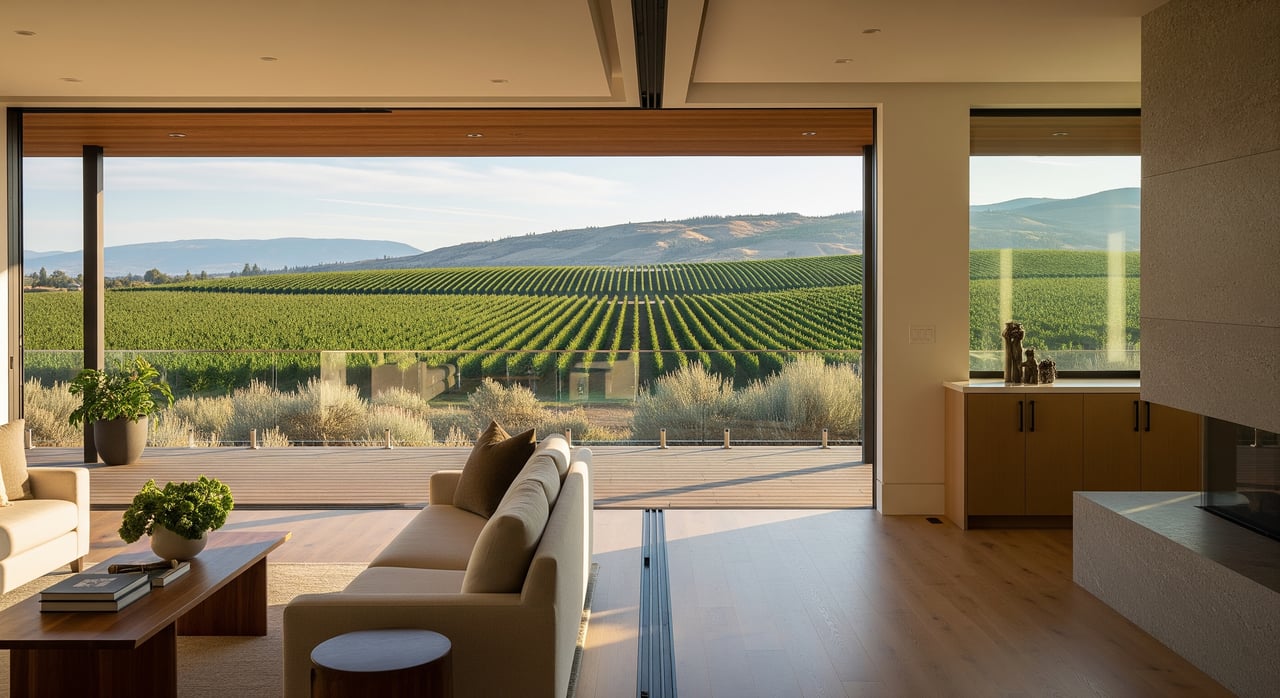
Thinking about a move to West Valley in Yakima? If you want more space, a quieter pace, and quick access to outdoor fun, this pocket on Yakima’s west side is worth a close look. You’ll find a mix of suburban streets and semi-rural properties, plus everyday amenities that keep life simple. In this guide, you’ll learn what day-to-day life feels like, where people go for parks and services, and what types of homes and lot sizes you can expect. Let’s dive in.
West Valley lifestyle overview
West Valley blends suburban-to-semi-rural living. Many neighborhoods feel residential and relaxed, while the edges open up to larger lots and agricultural parcels. You’ll notice lower density than central Yakima and a routine that often revolves around home, yard, and nearby recreation.
Weekends tend to feature local trails, greenways, wineries, youth sports, and backyard get-togethers. The Yakima Valley’s semi-arid climate encourages outdoor living, drought-tolerant landscaping, and plenty of sunshine-focused activities. Most errands and commutes happen by car, which suits the area’s spread-out layout.
Parks, trails, and recreation
If you like getting outside, you’ll find easy options. The Cowiche Canyon area offers hiking and nature access that locals use for quick after-work walks or longer weekend outings. Greenways and paths along the Yakima River provide relaxed strolls and bike rides, with scenery that changes through the seasons.
Wine and agriculture shape the region’s culture. You can visit tasting rooms throughout the Yakima Valley and enjoy seasonal harvest events. Neighborhood parks and playgrounds support casual play, while community fields host youth sports during peak seasons.
Tip: Trailheads and park amenities vary by location. Before you head out, check the latest maps, parking details, and seasonal access from local organizations and park agencies.
Daily amenities and services
West Valley residents use a mix of nearby shops and larger retail in Yakima and Union Gap for all the basics. Groceries, pharmacies, hardware, and quick-service dining are accessible, and you can reach bigger box stores and mall-based shopping with a short drive.
Healthcare needs are served by clinics and regional medical centers in the Yakima area. Urgent care and specialty services are available in town, which keeps routine appointments and unexpected visits manageable.
For public services, residents rely on city and county facilities in and around Yakima. Law enforcement coverage can vary between municipal departments and the county sheriff, depending on whether a property is inside a city boundary or in an unincorporated area. Fire protection is provided by local fire districts or municipal departments based on your address.
Schools and childcare
West Valley is generally served by local school district boundaries, but exact school assignments are parcel specific. Families typically check district maps and the state’s school report cards to understand attendance zones and program offerings. Because boundaries can change, always verify a specific address with the district before you buy or rent.
Childcare options include family childcare homes, daycare centers, and preschools in and near West Valley. Availability shifts seasonally, so it helps to start your search early if you have particular hours or program types in mind.
Housing types and lot sizes
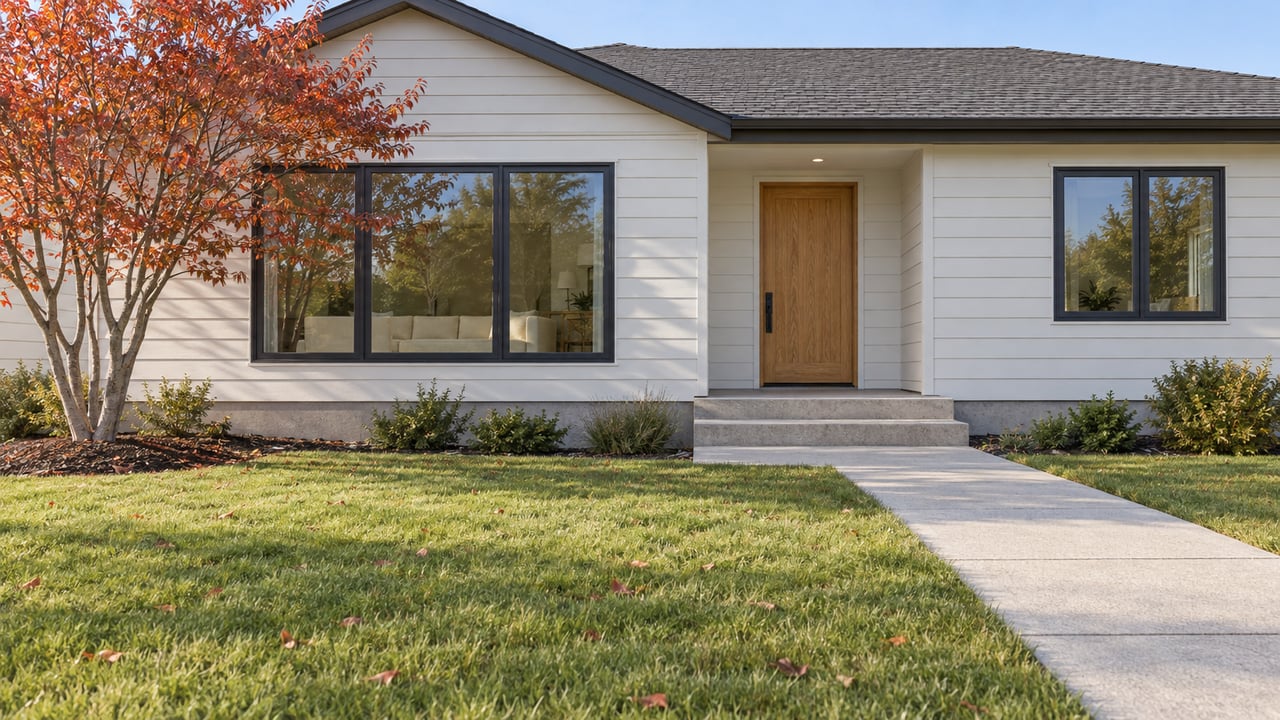
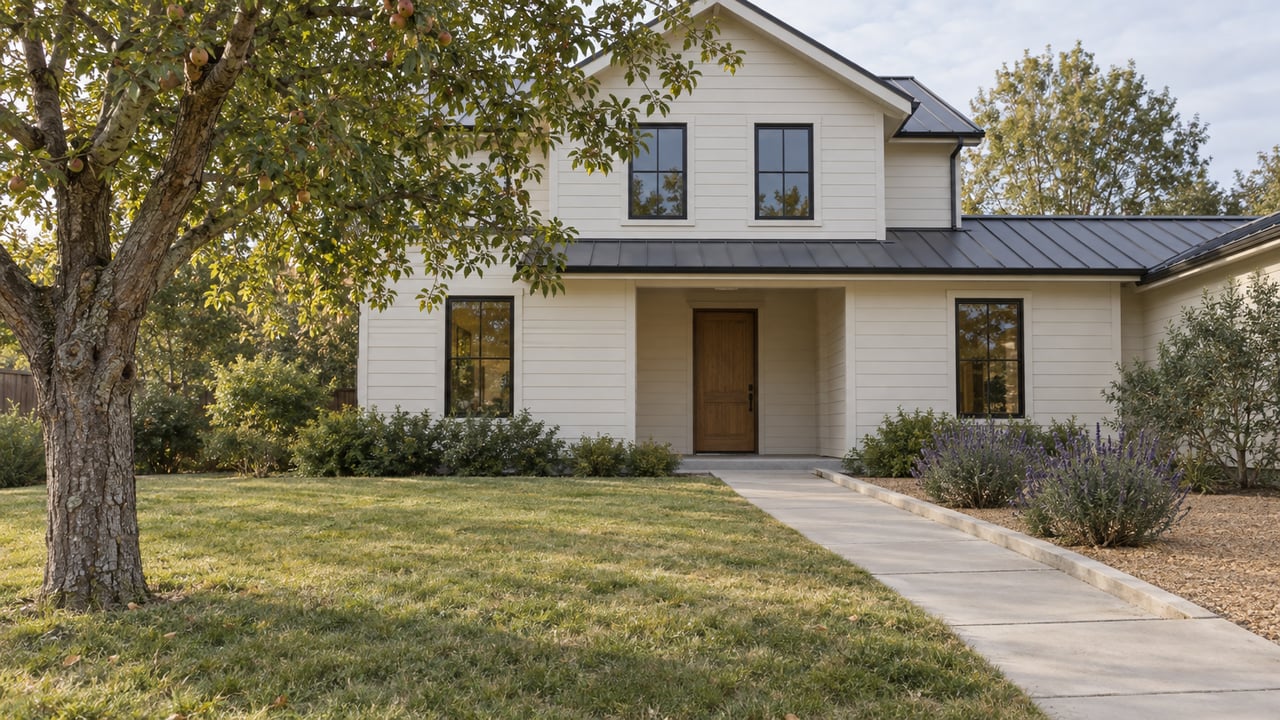
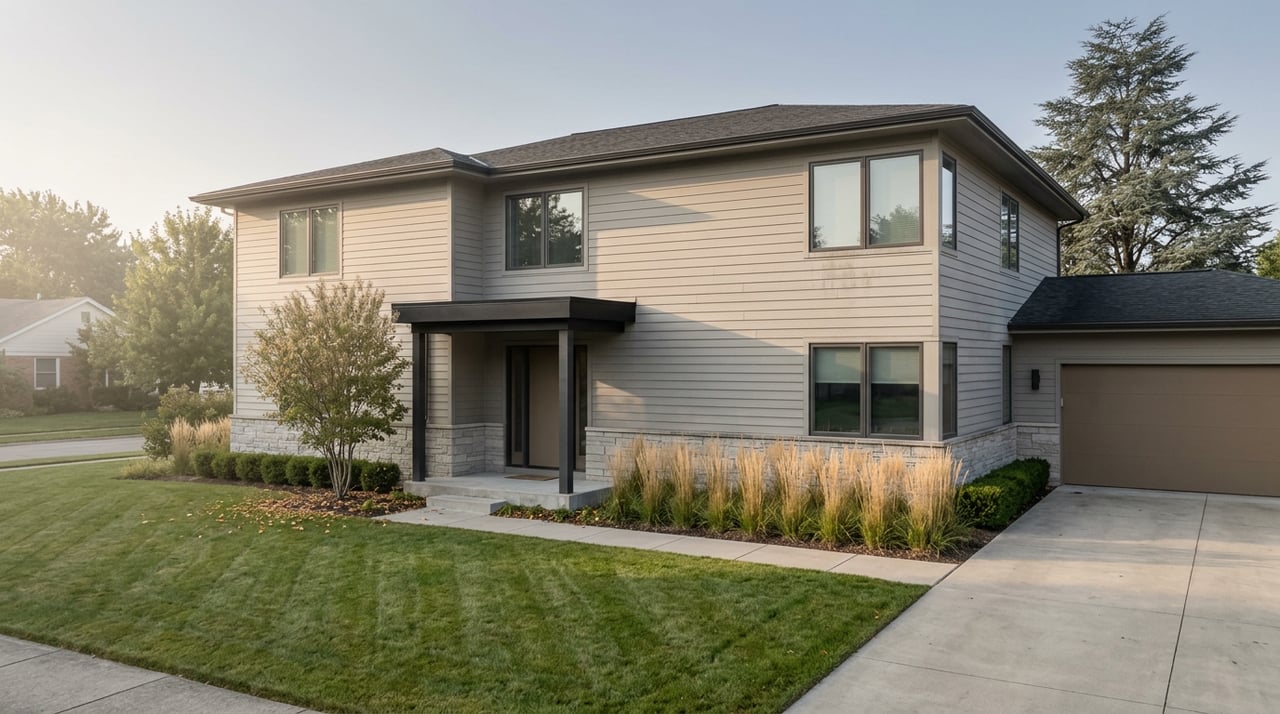
Most of West Valley’s housing stock is single-family detached homes. You’ll see ranch and rambler styles, split-levels, and newer suburban plans in modern subdivisions. Some pockets include manufactured or modular homes, especially in more rural areas.
Lot sizes vary by location:
- In established subdivisions, lots are often quarter-acre or smaller, which supports easy yard maintenance and neighborhood feel.
- On the semi-rural edges, you’ll find larger lots, including half-acre, one-acre, and larger parcels where properties may have space for shops, gardens, or hobby setups.
- Multi-family buildings are less common in strictly residential pockets, and denser rental choices are more typical closer to city centers.
If you are looking at larger lots, factor in maintenance needs, outbuilding plans, and how you want to use the land. Verify utility details early since rural-style properties may operate differently than homes on city services.
Zoning and property considerations
Many West Valley addresses sit in unincorporated Yakima County. That means county zoning governs what you can build, how you can use the land, and the minimum lot sizes for new development. You’ll see classifications such as rural residential, single-family, or agricultural, and each has its own rules for accessory structures, setbacks, and subdivision potential.
If a property is inside a city boundary or in an annexation area, municipal zoning and building codes apply. This can affect permit timelines, allowable uses, and future development options. In certain subdivisions, homeowners associations may set design guidelines and maintenance standards in addition to public codes.
Utilities also vary. Some properties use public sewer and water, while others rely on septic systems and wells. This can influence renovation plans, pool installations, or additions. Always review septic capacity, well details, and utility connections as part of your due diligence.
Getting around
Private vehicle travel is the norm in West Valley. Most residents commute by car into central Yakima or other nearby employment hubs. Local arterials connect quickly to regional highways, including I-82, which links you to the broader Yakima Valley and beyond.
Yakima Transit provides fixed-route and paratransit services in the region, and select routes reach West Valley neighborhoods. Frequencies can differ between weekdays and weekends, so check current schedules if you plan to use transit for work or errands.
For air travel, residents use the Yakima Air Terminal, also known as McAllister Field, for commercial service and general aviation. For wider route options, many travelers connect through larger regional airports.
Day to day, most neighborhoods offer ample driveway and garage parking. Sidewalk coverage can vary by subdivision and street design, and lower-density areas tend to be more car oriented for errands and school drop-offs.
Who West Valley fits
West Valley tends to suit you if you value space, privacy, and easy access to the outdoors. It is a strong match if you want a residential feel with the option for larger lots and room for projects. Commuters who prefer quiet streets and a home-focused lifestyle often find the balance they want here.
If you are a move-up buyer, you may appreciate the mix of newer subdivisions and semi-rural properties that offer room to grow. Investors and long-term planners often watch this area for single-family rentals, land, and homes with shops or accessory spaces, depending on local zoning.
How to shop smart in West Valley
Use this quick checklist to focus your search and avoid surprises:
- Confirm if the property is in unincorporated county or within a city boundary, then review the correct zoning rules and permit steps.
- Verify utilities early, including whether the home is on public sewer and water or a septic system and well.
- Check parcel-level school assignments with the district, and verify transportation options if needed.
- Estimate commute times during your actual peak hours, and drive the route more than once.
- For larger lots, verify irrigation rights, fencing, and what is allowed for outbuildings or accessory structures.
- Review any HOA covenants, conditions, and restrictions for design standards, parking, or landscaping requirements.
- Ask about recent maintenance on systems like roofs, HVAC, septic, and wells to plan your budget.
- If you plan to add a shop, ADU, or home office, confirm setbacks, height limits, and utility capacity before you make an offer.
Work with a local advisor
Choosing the right property in West Valley often comes down to the details, like zoning, utilities, and how a lot’s layout fits your plans. You deserve clear guidance from someone who knows the neighborhoods, parcel nuances, and market rhythms.
With deep Yakima County experience, professional marketing, and a tech-enabled process, Cory Bemis helps you compare homes by lifestyle, not just by square feet. Whether you are buying, selling, relocating, or considering land and investment options, you will get straightforward advice and a plan that fits your timeline.
Ready to take the next step or get pricing clarity for your home? Connect with Cory Bemis to get local insight and a clear path forward.
FAQs
What is daily life like in West Valley Yakima?
- West Valley offers relaxed, lower-density living with suburban streets, semi-rural edges, outdoor access, and errands that are mostly car based.
What kinds of homes will I find in West Valley?
- Most listings are single-family homes, ranging from older ranch styles to newer suburban builds, with manufactured homes and larger lots in some areas.
How are commutes from West Valley to Yakima?
- Driving is the primary mode, with local arterials feeding into regional highways like I-82, and limited transit service available on select routes.
Are there parks and trails near West Valley?
- Yes, residents use nearby trails such as the Cowiche Canyon area and greenways along the Yakima River, plus neighborhood parks and fields for everyday play.
How do school assignments work in West Valley?
- School assignments are parcel specific, so verify a home’s attendance area with the district and review state report cards for program and performance details.
What should I verify before buying acreage in West Valley?
- Confirm zoning, septic or well details, irrigation rights, and what is allowed for outbuildings or accessory units, then align that with your intended use.