If you have been trying to make sense of West Valley Yakima home prices, you have probably noticed one thing fast: two homes that seem close together can carry very different price tags. That can feel confusing whether you are buying, selling, or simply trying to understand your home's position in the market. The good news is that the price differences are not random, and once you know the main value drivers, the market becomes much easier to read. Let’s dive in.
West Valley Is Not One Price Point
A helpful way to think about West Valley is this: it is one umbrella, but not one price point. According to Zillow, the West Valley Zillow Home Value Index was $428,242 as of Feb. 28, 2026, down 1.6% year over year. At the same time, nearby areas show a broad spread, including Yakima at $355,051, Terrace Heights at $397,122, Gleed at $397,560, Ahtanum at $464,014, and Summitview at $588,629. You can review that local pricing spread in Zillow’s West Valley home value data.
That wide range matters because West Valley includes different housing types, lot sizes, and settings. In real life, buyers do not price a standard neighborhood lot the same way they price acreage, resort-adjacent property, or a newer custom home. If you are trying to estimate value, broad county averages only tell part of the story.
County Trends Set the Backdrop
Even though West Valley has its own submarkets, countywide numbers still help you understand the overall environment. Redfin’s Yakima County housing market data reported a $362,000 median sale price in February 2026, a $234 median price per square foot, 61 days on market, and a 98.7% sale-to-list ratio.
That suggests a market where pricing discipline matters. Homes are still selling, but buyers appear to have room to compare options carefully. In a market like this, a strong West Valley property can still command attention, but pricing too high can slow traffic and extend time on market.
Why Micro-Location Matters So Much
One of the clearest signs that West Valley pricing varies by location comes from Yakima County itself. The county’s 2025 value models separate the area into WV1, WV2, and WVAT, rather than treating West Valley as one uniform market.
WV1 covers the more urban West Valley core. WV2 covers the more rural area west of 80th Avenue, from Summitview to Meadowbrook. WVAT covers the Apple Tree Development area, from Coolidge to Apple Tree Parkway and roughly 86th to 96th Avenues.
That model split tells you something important: micro-location materially affects value. If you compare a home in one pocket with sales from another pocket, you can end up with a misleading number.
Apple Tree Has Its Own Pricing Logic
The West Valley Neighborhood Plan describes Apple Tree Resort as a 136-acre resort and golf development with 422 residential units. It also notes features such as planned-development design, private streets, reduced setbacks, and uniform landscaping.
Those details help explain why Apple Tree and nearby resort-adjacent areas often trade differently than more typical residential blocks. Buyers may respond to setting, streetscape, and housing style in ways that create a premium compared with nearby homes that are similar in size but not in location or development type.
ZIP Code Differences Reinforce the Point
Zillow’s sold-home data also shows a difference at the ZIP level. In West Valley, 98908 is listed at $421,215, while 98903 is listed at $391,934 in Zillow’s local sold-market view.
That does not mean every home in one ZIP is worth more than every home in another. It does mean your best comparable sales should stay as close as possible to the home’s actual subarea, especially in a market with overlapping neighborhood patterns.
Home Size and Layout Still Matter
One of the most consistent value drivers in West Valley is square footage paired with functional layout. Recent sold examples in West Valley include a 1,160-square-foot 3-bed, 2-bath home at $365,000, a 1,542-square-foot 3-bed, 2-bath home at $375,000, a 2,524-square-foot 3-bed, 3-bath home at $595,000, and a 3,376-square-foot 4-bed, 4-bath home at $1.25 million, based on Zillow’s sold-home examples.
Current listings stretch even further, from a 924-square-foot 2-bed, 1-bath home at $89,900 to a 4,209-square-foot new-construction home at $1.85 million. Those examples show how much pricing can move when you add living space, additional bathrooms, and more flexible floor plans.
For buyers, that means price per square foot is only a starting point. For sellers, it means your layout, room count, and usable space can shape value almost as much as your raw square footage.
Condition and Updates Influence Value
Condition matters because buyers compare homes side by side. Yakima County explains in its property valuation overview that real property is valued at 100% of true and fair market value as of January 1, using the sales-comparison approach, the cost approach, and, for income-producing property, the income approach.
The county also notes that the cost approach accounts for depreciation. In practical terms, that helps explain why newer homes, well-maintained homes, and homes with visible updates often support stronger value than similar homes with deferred maintenance.
You can see that logic in current listing language across West Valley, where sellers often highlight modern finishes, open floor plans, and newer construction. While a remodeled kitchen may not be priced as a separate line item, it often shows up in the broader condition premium that influences what buyers are willing to pay.
Lot Size Changes the Conversation
West Valley includes both standard residential lots and much larger parcels, so lot size can have a major effect on price. The West Valley Neighborhood Plan notes that in areas with utilities, new residential lots can be as small as 7,200 square feet, while areas without utilities may require at least 2.5 acres.
That is a major difference in land use and lifestyle. A home on a city-style lot and a home on acreage may both fall under the West Valley label, but they are not interchangeable from a valuation standpoint.
Outdoor Space and Views Add Appeal
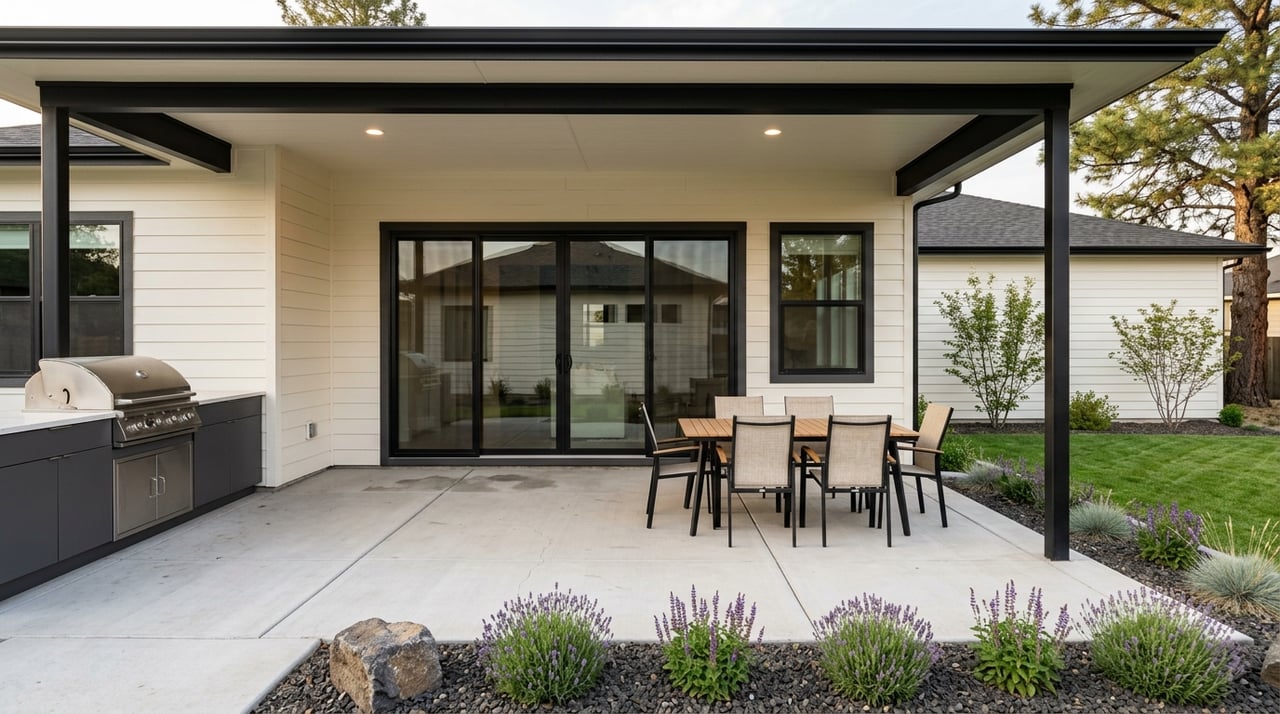
Current West Valley listings also point to features that can push value higher, including covered patios, fenced yards, pools, gas fireplaces, open floor plans, and broad west valley views. You can see examples in West Valley area listings on Zillow.
When outdoor features combine with a strong subarea or newer construction, the pricing impact can be meaningful. In other words, it is not just the size of the lot that matters. It is also how the site feels, functions, and connects to the home.
Amenities Shape Buyer Perception
West Valley also benefits from amenities that many buyers consider during a home search. West Valley School District #208 is headquartered at 8902 Zier Road and highlights STEAM programming, modern facilities, and extracurricular offerings.
The area is also served by West Valley Park, a 26.2-acre park adjacent to West Valley Middle and Junior High, with playgrounds, courts, a soccer field, shelters, and access to Wide Hollow Creek, according to the district and local planning information. Amenities like parks, recreation space, and community facilities often influence how buyers experience an area and what they are willing to pay to live there.
Flood Exposure and Infrastructure Matter Too
Not every value driver is visual. The West Valley Neighborhood Plan notes that the Ahtanum and Wide Hollow basins are flood-prone and that flooding has influenced development planning.
That means drainage, elevation, and creek-adjacent location can matter when buyers weigh risk and future costs. For some homes, this may not be a major factor. For others, especially in lower-lying areas, it can affect demand, insurance considerations, and overall marketability.
Assessed Value, Zestimate, and List Price Are Different
One of the most common pricing mistakes is treating every value number as if it means the same thing. It does not. Yakima County says assessed value reflects market value as of January 1 for tax purposes, while a Zestimate is an automated estimate and a list price is a strategic marketing decision.
If you want the clearest picture of value, the better approach is to compare your home with recent closed sales in the same West Valley subarea, with similar lot size, age, condition, and setting. The county’s valuation and tax page also explains the appeal process if you believe your assessed value is off.
What This Means for Buyers and Sellers
If you are buying in West Valley, it helps to know that a home’s asking price is really a combination of several factors:
- Micro-location
- Home size and layout
- Age and condition
- Lot size and outdoor features
- Views and setting
- Flood exposure or infrastructure factors
- Nearby amenities
If you are selling, the takeaway is just as important. The right price is rarely found by pulling one online estimate or one county figure. It comes from choosing the right comparable sales and understanding which features in your specific pocket of West Valley deserve a premium and which do not.
In today’s market, where countywide data points to a near-balanced or slightly buyer-leaning environment, precision matters. A well-positioned West Valley home can still stand out, but a stale or mispriced listing may need an adjustment to attract the right attention.
If you want a clearer read on how your home fits into the West Valley market, working with a local broker who understands these subarea differences can save you time and reduce costly guesswork. If you are ready for a data-driven pricing conversation or want help evaluating a specific West Valley property, connect with Cory Bemis for local guidance tailored to your goals.
FAQs
What is the average home value in West Valley Yakima?
- According to Zillow, the West Valley Zillow Home Value Index was $428,242 on Feb. 28, 2026.
Why do West Valley Yakima home prices vary so much?
- Prices vary because West Valley includes different micro-areas, lot sizes, housing types, and settings, including more urban sections, rural acreage areas, and Apple Tree resort-adjacent properties.
How should sellers price a home in West Valley Yakima?
- Sellers should compare their home to recent closed sales in the same West Valley subarea with similar size, condition, age, and lot characteristics rather than relying on assessed value or an automated estimate alone.
Does lot size affect home value in West Valley Yakima?
- Yes. West Valley includes both standard residential lots and acreage properties, and those different land profiles can lead to very different price points.
Do views and outdoor features affect West Valley Yakima prices?
- Yes. Features like covered patios, fenced yards, pools, and view-oriented settings can materially influence value, especially when paired with a strong location or newer home.
How long are homes taking to sell in Yakima County right now?
- Redfin reported a median of 61 days on market in Yakima County in February 2026, while Realtor.com described the county as a buyer’s market with a median of 52 days on market during the same period.