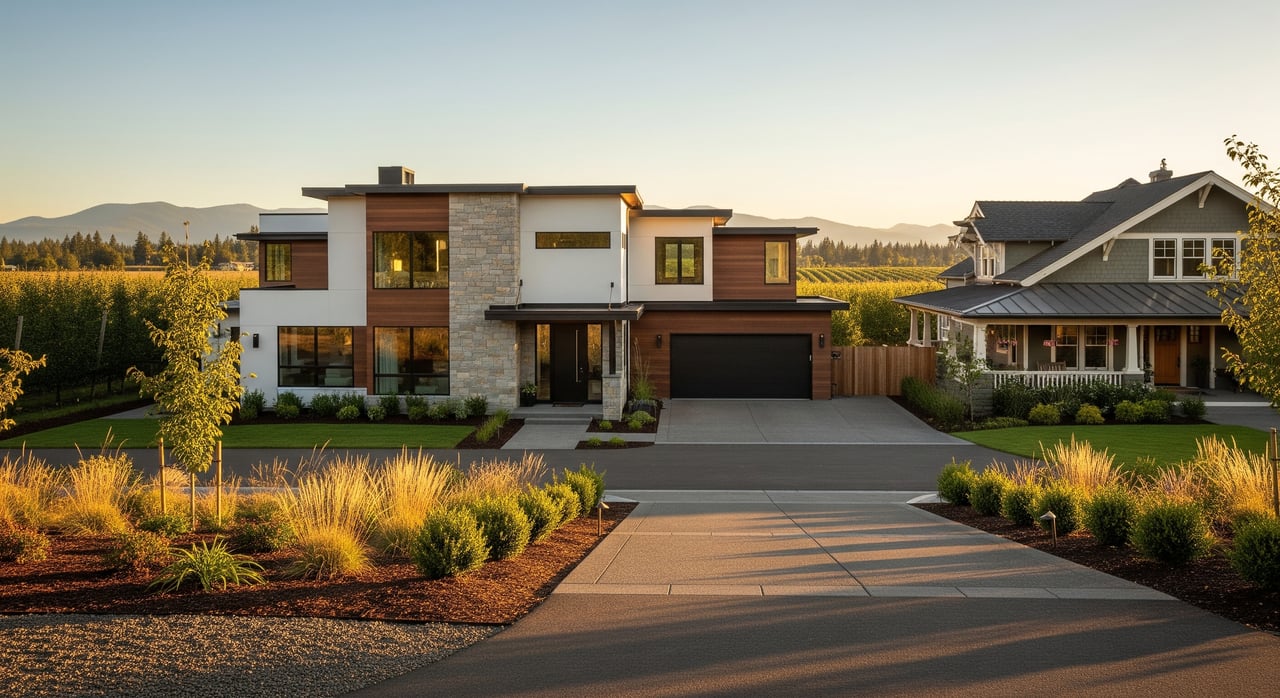
Trying to decide between a brand-new home and a resale in Yakima? It is a big choice that affects your budget, timeline, and peace of mind. You want clear facts, local context, and a plan that fits your goals. In this guide, you will compare costs, timelines, warranties, and negotiations so you can pick the right path for you. Let’s dive in.
Yakima market context
Yakima often offers more attainable prices than major Western Washington metros. That makes both new construction and resale options attractive for a wide range of buyers. Neighborhood-level supply can vary, and timing matters for your leverage and options.
Local development ebbs and flows. Subdivisions in mid-valley areas can add new lots, but zoning, utilities, and infrastructure work can affect how fast supply comes online. Your choice may come down to availability of completed spec homes, budget for upgrades or renovations, and how quickly you need to move.
Cost comparison: new vs. resale
New construction cost drivers
New construction pricing includes the lot, the base build, and upgrades. The lot often carries a premium because it includes the developer’s land acquisition, grading, and infrastructure costs. The base build covers materials and labor, while upgrade allowances add cost if you choose higher-end finishes.
There are also soft costs. These can include permits, impact fees, utility hookups, and design or engineering. Builders often bundle soft costs into the price, but custom builds can see these as separate line items. Plan for carrying costs if you finance a construction-to-permanent loan and pay interest during the build.
Resale cost drivers
With resale, you typically pay the purchase price and standard closing costs. Renovation or repair work after closing can add to your total. Set aside a budget for updates such as flooring, paint, appliance replacements, or system maintenance, especially if the home is older.
Price per finished square foot can help compare options, but do not ignore land value or lot improvements. Compute an “all-in” number for each path so you are looking at true apples-to-apples.
Financing differences
- Resale financing: Conventional, FHA, VA, or portfolio loans are common. Pre-approval is usually enough, and the appraisal is based on comparable sales.
- Spec new homes: If the home is complete or near completion, you often use a standard mortgage similar to resale.
- Custom builds: Construction-to-permanent loans are common. You pay interest on draws during construction, then the loan converts to a traditional mortgage when you receive a Certificate of Occupancy.
- Lender details: Some lenders require final occupancy before full conversion. Appraisals can include plans and specs for new builds. Ask about lender holdbacks for unfinished items.
- Builder incentives: Builders may offer rate buydowns, closing cost credits, or included upgrades. These change your effective cost, so include them in your comparison.
How to compare all-in costs
- New build all-in: Lot price + base build + upgrades + soft costs + construction interest and carry.
- Resale all-in: Purchase price + closing costs + near-term repairs and upgrades.
Add a 10 to 15 percent cushion for either path if your budget allows. This helps you manage surprises without stress.
Timeline and permitting in Yakima
Spec and production timelines
Spec and production homes often run 3 to 9 months from contract to closing, depending on stage of construction. If you choose design options that require special orders, plan for extra weeks. Ask your builder to confirm stage gates for framing, mechanicals, and finishes.
Custom build timelines
Custom builds typically run 9 to 18 months or more, based on complexity, permit timing, and site work. Build-ready lots without major utility work tend to move faster. Lots that need road work or utility extensions can add months.
Permits and seasonal factors
City and County review timelines can vary by project type and required studies. SEPA review, stormwater reports, and utility coordination can add weeks or months. Weather also matters. Yakima winters and wet periods can slow grading and framing, which affects your schedule.
Project risks to plan for
- Construction delays tied to labor, materials, or inspections.
- Cost escalation if change orders add scope or if allowances are tight.
- Financing timing risk if the build schedule shifts.
- Final inspection and occupancy timing that can delay closing and move-in.
Build a realistic timeline with the builder and your lender. Confirm what happens if a step runs late and how that affects rate locks and move-out dates for your current home.
Warranties, inspections, and risk
New-home warranty basics
Many builders use a tiered warranty structure. A common pattern is a 1-year limited warranty for workmanship, a 2-year warranty for systems like HVAC, plumbing, and electrical, and a 10-year structural warranty. Always read the builder’s warranty and any third-party policy so you know what is covered and for how long.
Resale protections
Resale purchases rely on seller disclosures, buyer inspections, and negotiated repairs or credits. There is no automatic multi-year workmanship warranty unless the seller or a purchased home warranty provides it. Home warranty plans can help with certain systems and appliances, but coverage varies by contract.
Inspection strategy that protects you
- New construction: Hire an independent inspector. Consider a pre-drywall or framing inspection and a final inspection. Document items at the pre-closing walk-through and confirm the builder’s process for post-closing punch list items.
- Resale: Order a full home inspection and add specialty inspections as needed. Septic, roof, chimney, pest, or mold inspections can prevent surprises.
- Washington requirements: Work with licensed contractors. Verify builder or contractor credentials through state licensing channels, and confirm permits and final inspection sign-offs before you close.
Negotiation and leverage
Builder incentives and leverage
Builders often prefer to protect base prices and may lean toward incentives. You may see rate buydowns, closing cost credits, appliance packages, lot or model-home discounts, or included upgrades. Timing matters. You tend to have more leverage on completed or near-complete spec homes, or when the builder wants to move inventory before a quarter closes. Once you sign the contract and make selections, leverage often declines.
Resale negotiation basics
Resale negotiations often center on price, inspection results, and closing terms. You can ask for repairs or credits based on inspection findings. Strong financing and a flexible closing date can improve your position. In a competitive pocket of the market, appraisal gaps can be a factor, so talk with your lender and agent about options.
A quick decision guide
- Need fast move-in and low renovation time: Resale or completed spec home.
- Want modern systems, energy efficiency, and design choices, and can wait: New construction.
- Budget-first and open to sweat equity: Resale with planned updates.
- Prefer warranties and predictable maintenance: New construction with written warranty.
- Investor or rental focus: Resale for faster cash flow, new construction for newer systems and potential rent premium.
Side-by-side comparison
| Category | New Construction | Resale |
|---|---|---|
| Up-front vs. all-in cost | Lot premium, base price, upgrades, soft costs, carry | Purchase price, closing costs, repairs or upgrades |
| Typical timeline | Spec 3 to 9 months, custom 9 to 18+ months | Often 30 to 60 days to close |
| Warranty coverage | Commonly 1-year workmanship, 2-year systems, 10-year structural | No automatic warranty, optional home warranty plans |
| Financing path | Spec often conventional at completion, custom often construction-to-perm | Conventional, FHA, VA, or portfolio |
| Inspections | Independent pre-drywall and final inspections recommended | Full home inspection plus specialty inspections |
| Negotiation levers | Incentives like rate buydowns, closing costs, upgrades | Price, repairs, credits, closing flexibility |
Your next steps in Yakima
- Get pre-approved and define your total budget, including a cushion for upgrades or repairs.
- Build an all-in comparison for each option. Include lot price, base build, upgrades, soft costs, and carry for new builds, and include repair and update budgets for resale.
- Decide your timeline. If you need to move within 60 days, focus on resale or completed spec homes.
- Tour active subdivisions and established neighborhoods to compare homes, lots, and commute patterns.
- Verify builder licensing and reputation. Review warranty documents and ask for sample contracts and change-order procedures.
- Confirm permit and utility status for lots or projects you are considering. Ask about expected review timelines and any infrastructure work that could delay delivery.
- Plan your inspection strategy. Line up inspectors early, including any specialty pros you might need.
- Align your financing with the build or purchase timeline. Confirm rate-lock options and what happens if closing slips.
If you want a clear, side-by-side plan tailored to your goals, connect with Cory Bemis. You will get straightforward guidance, local market insight, and a smooth path to the right home.
FAQs
How much more does new construction cost in Yakima?
- It depends on the lot, upgrades, and soft costs. Compare the all-in new-build total to the resale price plus updates to see a true side-by-side.
How long does a new build take in Yakima?
- Spec homes can close in a few months if inventory is available, while custom builds commonly take 9 to 18 months or more depending on permits, utilities, and weather.
Do new homes in Washington come with warranties?
- Many builders offer a tiered warranty such as 1-year workmanship, 2-year systems, and 10-year structural, but you should review the exact written terms.
Are inspections necessary for new construction homes?
- Yes, schedule independent inspections at key stages like framing and at final, and document items during the pre-closing walk-through for warranty follow-up.
Can I negotiate with a builder in Yakima?
- Often yes, especially on incentives like rate buydowns, closing costs, or upgrades for spec and model homes, though base-price reductions are less common.
What is the best choice for a fast move-in?
- A resale or a completed spec home usually offers the fastest path to closing and occupancy compared to a custom build.