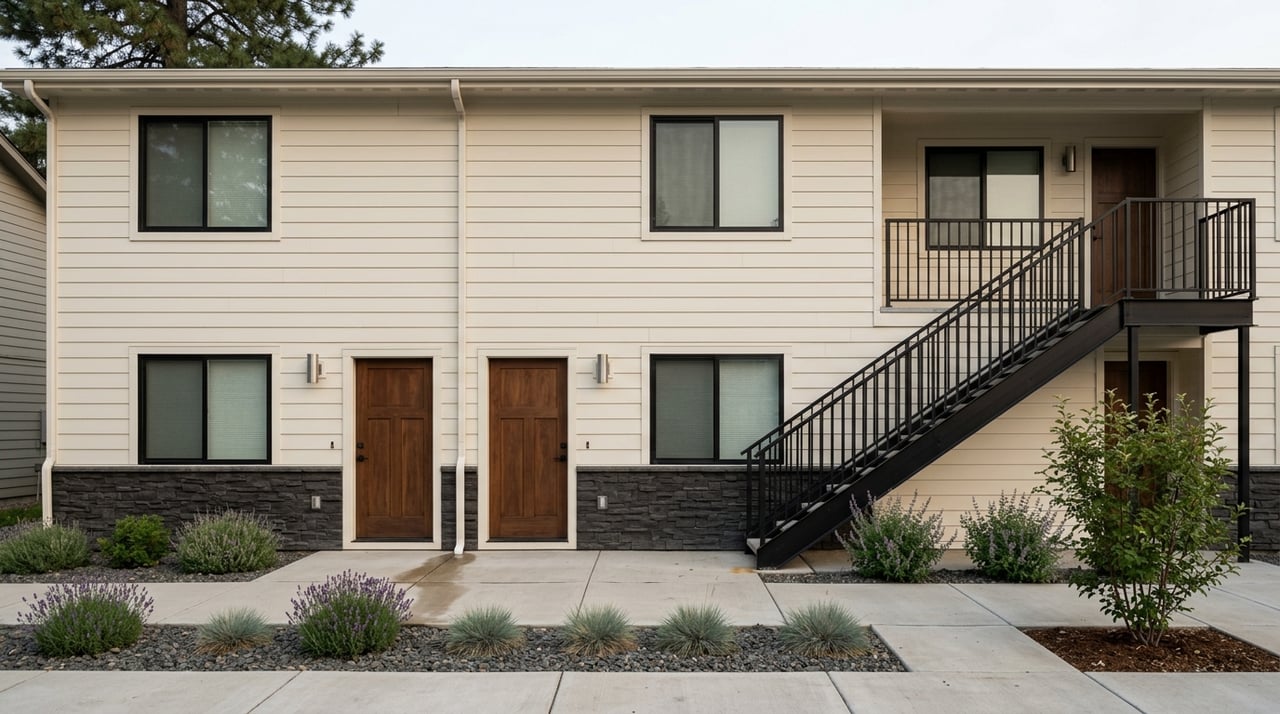
If you are looking at duplexes, triplexes, or fourplexes in Yakima and West Valley, the opportunity is real, but so is the need for discipline. Small multifamily can offer steady rental demand in this market, yet the numbers only work well when you understand local pricing, older housing stock, and the practical needs of renters. This guide will help you think through what makes these properties perform, where Yakima and West Valley differ, and what to watch before you buy. Let’s dive in.
Why Yakima Draws Multifamily Investors
Yakima has several traits that make small multifamily worth a closer look. The city has 97,390 residents, 39,468 housing units, and a 53.8% owner-occupied rate, which points to a meaningful renter base. The city’s median gross rent is $1,117, while median household income is $63,781, showing why affordability remains central to rental demand, according to the U.S. Census QuickFacts for Yakima.
That affordability pressure matters for investors because it shapes what renters can realistically pay. In a market like Yakima, a property that is functional, well-kept, and priced appropriately often has broader appeal than one that relies on luxury finishes to justify rent. For many buyers, that makes underwriting less about chasing upside and more about protecting downside.
At the county level, the picture is similar. Yakima County has 258,523 residents, a 61.8% owner-occupied rate, and a median gross rent of $1,109, with poverty still elevated at 16.9%, based on the same Census data source. That backdrop helps explain why practical rental housing remains relevant across the area.
What Makes West Valley Different
West Valley often behaves differently than central Yakima, and that matters when you compare deals. A useful proxy for the area is ZIP code 98908, where median household income is $84,197 and median owner-occupied home value is $383,900, according to local information tied to the West Valley School District area.
In simple terms, West Valley can be a stronger-price submarket. That can mean higher entry costs, tighter competition from owner-occupants and investors, and a different ceiling for rents. It can also mean you need to be more careful about overpaying based on location alone.
For investors, the takeaway is not that one area is automatically better than the other. It is that Yakima and West Valley may support different strategies, different purchase prices, and different return expectations. Comparing listings without accounting for submarket differences can lead to weak assumptions.
How Tight Is The Market?
Acquisition price always affects your returns, so the resale market still matters even if you plan to hold long term. In March 2026, Redfin reported Yakima’s median home sale price at about $397,500, up 6.9% year over year, with homes taking about 55 days to sell, based on the Yakima housing market report.
That suggests a market that is active, but not impossible to navigate. You may still face competition for well-located properties, though the pace is not so extreme that careful underwriting has to go out the window. For small multifamily buyers, that balance can create room for selective opportunities.
On the rental side, vacancy has been tight. Yakima County’s rental vacancy rate was 2.2% in the first quarter of 2024, and local planning documents describe the market as tight with low vacancy, according to the county’s 2024 Action Plan. Tight vacancy can support occupancy, but it should not tempt you into assuming every unit will stay full every month of the year.
How Common Are Duplexes And Fourplexes?
Small multifamily is not the dominant housing type in Yakima, which is part of what makes it attractive. The City of Yakima’s consolidated plan shows that 61% of residential properties are single-family detached, while 2 to 4 unit properties make up 13% of inventory, according to the city’s Consolidated Plan.
That limited supply matters. In a market where detached homes dominate, a well-located duplex, triplex, or fourplex can stand out more than it might in a larger metro with abundant multifamily inventory. It also means the best small multifamily listings may not come up often.
Yakima’s renter profile also gives investors a clue about unit mix. The same Consolidated Plan shows renter-occupied units are made up of 38% two-bedroom, 33% one-bedroom or no-bedroom, and 28% three-bedroom or larger units. That points toward simple one- to three-bedroom layouts as the most practical fit for local demand.
What Renters Usually Want
In Yakima and West Valley, rentability often comes down to basics. Properties with functional bedroom counts, off-street parking, durable finishes, and low-maintenance exteriors tend to line up better with the area’s affordability profile and renter mix. In many cases, practical upgrades matter more than flashy ones.
That is especially true in a market where income levels and rent sensitivity shape decision-making. If your renovation plan depends on pushing rents far above what the local market can comfortably support, the risk rises quickly. Investors often do better here by focusing on clean, durable, easy-to-maintain units.
This does not mean every property should be stripped down to the minimum. It means your improvements should make the property easier to lease, easier to maintain, and easier to justify during screening. In many Yakima-area assets, that is where the best long-term value is created.
Underwrite For Older Housing Stock
One of the biggest issues in Yakima is age. The city’s Consolidated Plan says 67.3% of housing units were built before 1979, and nearly 18% were built before 1939.
For small multifamily buyers, that should shape your inspection and capital expenditure planning from day one. Roofs, plumbing, electrical systems, windows, insulation, and deferred maintenance can all affect returns far more than a pro forma suggests. A property that looks profitable on paper can get expensive fast if major systems are near the end of their life.
This is one reason local knowledge matters so much. When you understand typical building age, condition patterns, and neighborhood-level expectations, it is easier to tell the difference between a manageable value-add property and a money pit. That can save you from costly surprises after closing.
Plan For Seasonal Economic Swings
Yakima County’s labor market has a seasonal component, and investors should account for that. The county reported 7.2% unemployment in December 2025 and 4.2% in September 2025, while average annual wages were $52,105 in 2024, according to the county’s 2024 Action Plan.
Agriculture remains the county’s largest employment sector, which helps explain some of that seasonality. For landlords, this does not mean demand disappears. It means your cash flow assumptions should leave room for turnover timing, collections variability, and occasional softness rather than assuming perfect consistency.
Conservative vacancy and expense assumptions are especially important in this kind of market. Tight vacancy is helpful, but stable investing usually comes from realistic planning, not optimistic projections.
Know The Rules On Rent Increases
Washington’s statewide rules also affect how you model future income. The Washington State Department of Commerce says landlords may not increase rent during the first 12 months of a tenancy, and annual increases for covered residential tenancies are limited to 7% plus CPI or 10%, whichever is less. Commerce set the 2026 maximum allowable increase at 9.683% for covered units, as outlined by the state’s landlord resource center.
Some properties and situations are exempt, so you should verify how a specific building is classified before relying on those limits in your analysis. The key point for investors is simple: long-term revenue growth should be modeled carefully. Aggressive rent-growth assumptions can make an average deal look better than it really is.
Why Long-Term Demand Still Matters
The long-term demand story in Yakima County is hard to ignore. The county projects that 25,057 additional housing units will be needed between 2020 and 2046, according to the county’s 2046 Housing Allocations report.
City data also shows supply has lagged behind demand. Yakima’s Consolidated Plan says housing construction grew 3.4% from 2012 to 2022, while population grew 6.2% and jobs increased 17.4%. That gap helps explain why well-maintained rental housing can remain relevant over time.
Yakima’s policy direction also supports more housing types. The city’s Housing Action Plan page highlights efforts to remove barriers to innovative housing types, revise parking standards, and encourage options such as multifamily, cottage housing, and backyard cottages. For investors, that reinforces the idea that small multifamily fits into the area’s broader housing conversation.
A Practical Investment Lens
If you are considering small multifamily investing in Yakima or West Valley, the strongest approach is usually a practical one. Look for properties with workable layouts, durable condition, realistic rents, and enough margin to absorb repairs and normal turnover. In this market, conservative assumptions often beat optimistic ones.
It also helps to remember that not every good investment looks exciting at first glance. A clean duplex with solid parking, manageable maintenance, and stable demand may outperform a more ambitious property with thin margins. The goal is not just to buy units. It is to buy a property that can hold up over time.
If you want help evaluating duplexes, triplexes, fourplexes, or other investment opportunities in Yakima County, working with a local broker who understands both neighborhood differences and investor math can make the process much smoother. When you are ready to talk through your options, connect with Cory Bemis for informed, local guidance.
FAQs
What makes small multifamily investing in Yakima appealing?
- Yakima offers a meaningful renter base, tight rental vacancy, and long-term housing demand, while still giving investors opportunities to find duplexes, triplexes, and fourplexes in a market dominated by single-family homes.
How is West Valley different from central Yakima for multifamily buyers?
- West Valley often acts as a higher-price submarket, with stronger household incomes and home values, which can affect purchase price, rent ceilings, and buyer competition.
What property types count as small multifamily in Yakima?
- For most investors, small multifamily usually means duplexes, triplexes, and fourplexes, which make up a limited share of Yakima’s overall housing inventory.
What should you watch for when buying older multifamily property in Yakima?
- Because much of Yakima’s housing stock is older, you should pay close attention to roofs, plumbing, electrical systems, windows, insulation, and deferred maintenance during your due diligence.
Are rent increases limited for rental property owners in Washington?
- Yes. Washington limits rent increases for covered residential tenancies, including no rent increase during the first 12 months of tenancy and a capped annual increase after that, though some exemptions apply.
Is rental demand likely to remain strong in Yakima County?
- Current planning documents suggest long-term demand should remain meaningful, with the county projecting the need for thousands of additional housing units through 2046.